
Water heating · high ticket scheduled
Tankless Water Heater in Upland, CA: Installation, Descaling and Whether Your Gas Line Can Feed One
Tankless gets sold on endless hot water. The honest version is that it delivers a continuous flow rather than an unlimited one, and that the install is a bigger piece of work than swapping a tank.
Both of those are manageable once you know them going in. This page covers what the unit actually does, what the City requires for the install, and the servicing that keeps one working in Upland's water. If a conventional tank replacement is still on the table, that page compares the two on install terms.
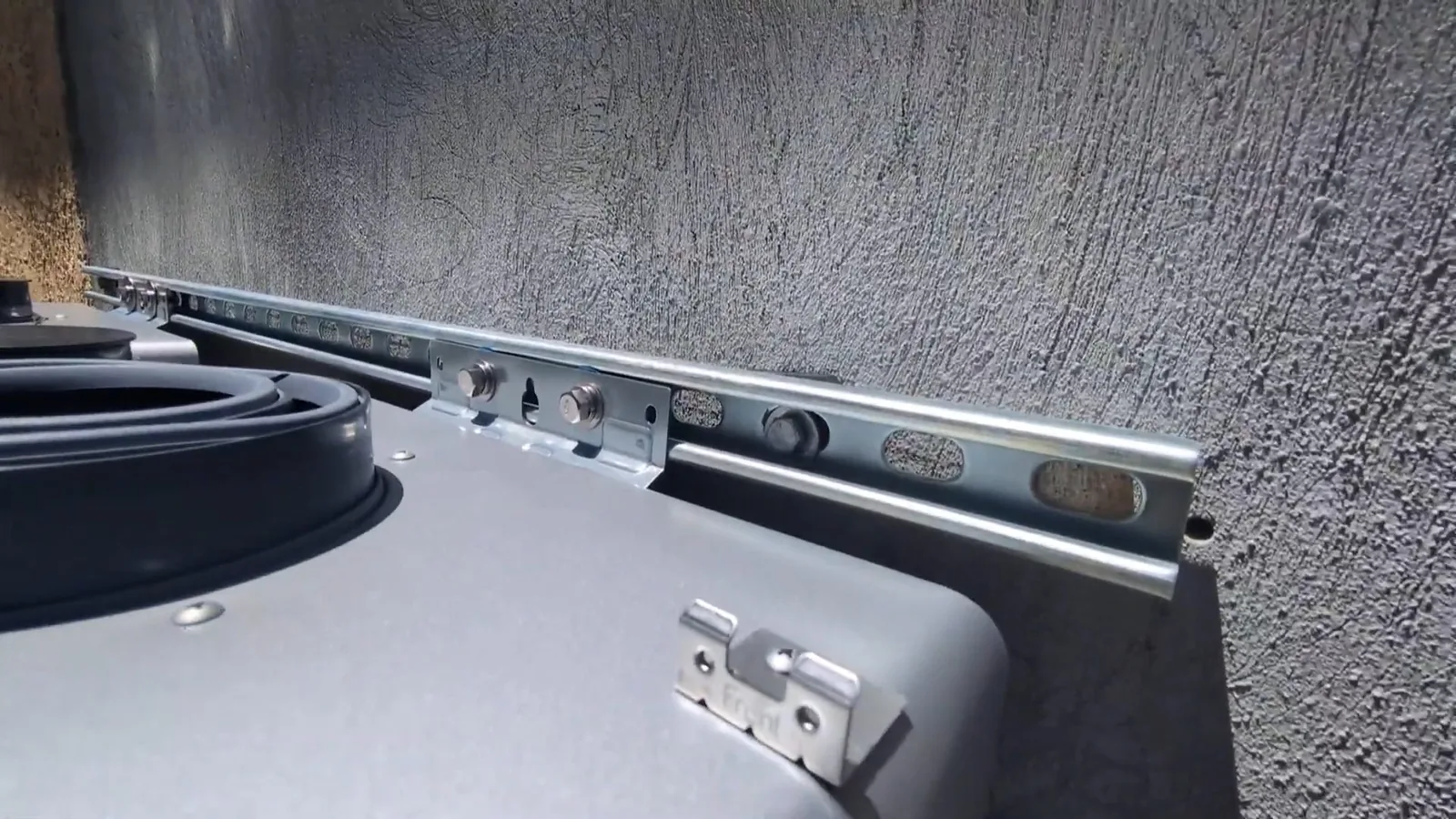
Most tankless projects stall on gas sizing rather than on the unit. If you want that checked against your own meter and run, call dispatch on (833) 571-0120.
Continuous hot water has a ceiling on how much it heats at once
A tank stores hot water and runs out, which is a different set of symptoms from the ones on water heater repair. A tankless unit heats water as it flows, so it does not run out, but it has a ceiling on how much it can heat at once.
That ceiling is flow rate against temperature rise. A unit rated to raise water by a given number of degrees can do it to a certain number of gallons per minute. Ask for more than that at once and the temperature sags rather than the supply stopping.
Upland helps here. Incoming water is not especially cold, so the temperature rise required is smaller than it would be in a colder climate, and a given unit therefore delivers more usable flow than its worst-case rating suggests.
Tank and tankless, side by side without the sales pitch
| Conventional tank | Tankless | |
|---|---|---|
| Hot water limit | Tank volume, then recovery time | Flow rate at a given temperature rise |
| Space used | A tall cylinder, often a garage alcove | A wall unit, much smaller footprint |
| Install complexity | Like for like is straightforward | Venting and gas sizing usually change |
| Annual servicing | A flush, often skipped | Descaling, not optional in hard water |
| Typical service life | 8 to 12 years | Longer again if it is serviced yearly |
| Standby heat loss | Yes, it keeps a tank hot | None, it heats on demand |
| Behaviour in a power cut | Gas tank keeps delivering stored hot water | Electronics mean no hot water |
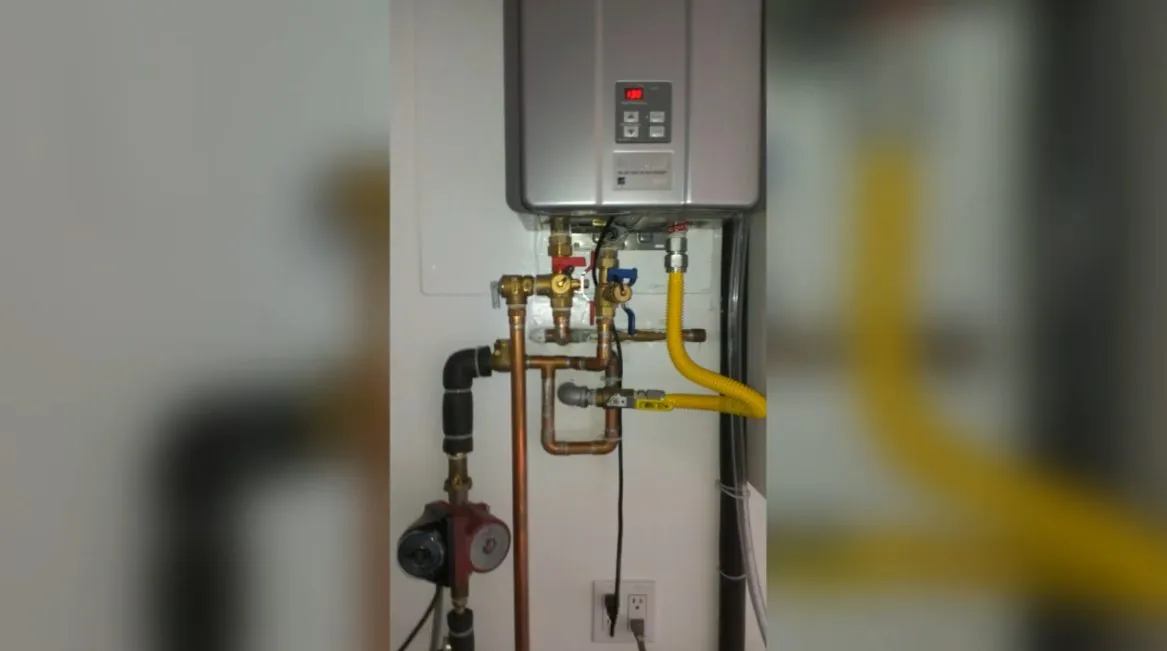
What Upland Building and Safety wants to see
A permit is required for all new and retrofit tankless installations, and the application is more detailed than for a tank swap. It has to carry supply gas pipe sizing calculations with BTUs and pipe distances, and the manufacturer, model and BTUs with two sets of specification sheets.
The reason the City asks for the gas calculation specifically is that this is where retrofits go wrong. A tankless unit draws far more gas while it runs than the tank it replaced, and an existing run sized for the old appliance frequently will not carry it.
City requirements a finished install has to meet
- Combustion air provided per the manufacturer's installation instructions
- Not in a sleeping room, a clothes closet, or a closet or confined space opening into a bath or bedroom, unless direct vent and listed for it
- A unit in a bedroom or bathroom in a dedicated closet with a listed gasketed door and a self-closing device, with combustion air from outside
- The relief valve hard piped to the outside, aimed at the ground, terminating between 6 and 24 inches above grade
- That relief line never discharging into a secondary drain pan
- A secondary pan with a three quarter inch drain to the outside where the unit sits above habitable space
- A garage unit raised 18 inches off the floor unless listed with a sealed combustion chamber, and protected from vehicle damage
- An access opening at least 24 inches wide and large enough to remove the unit
- Insulated lines on any recirculation system, and GFCI protection for garage or outdoor receptacles
Source: City of Upland Building and Safety, Tankless Water Heaters, Rev 11/24
The gas run is the question worth answering first. Send the meter details and the distance and it can be checked before you commit.
Call (833) 571-0120Why gas sizing stops more projects than anything else
The appliance is rarely the obstacle. The obstacle is getting enough gas to it while everything else in the house is also running.
Fuel gas piping has to be sized for the demand upon it, which means the calculation accounts for the total load and the distance from the meter, not just the new unit. A half inch run that served a tank happily can be nowhere near adequate for a tankless.
Where the existing run will not do it, the options are upsizing the run, relocating the unit closer to the meter, or choosing an electric or point of use unit instead. All three are workable. What does not work is installing an undersized supply and hoping, which shows up as a unit that cuts out under load.
Descaling, and why Upland water makes it non-optional
A tankless unit heats water across a heat exchanger, and hardness leaves scale on that exchanger. Scale insulates it, so the unit works harder for less output, then starts short cycling and throwing error codes.
How fast that happens depends on where you are. Hardness across the City is reported at 120 parts per million, but the measured span runs from nothing detected up to 340, because the supply is blended from wells across three separate basins. Two identical units on opposite sides of town scale at genuinely different rates.
Annual descaling handles it. It is a straightforward job if isolation valves were fitted at install, which is why fitting them is worth insisting on even though they add a little to the first bill.
Source: City of Upland Consumer Confidence Report 2025
Annual tankless service: descaling, inlet filter and checks
- Isolate the unit at the service valves and circulate a descaling solution through the heat exchanger until it runs clear.
- Clean or replace the inlet filter screen, which catches the debris that would otherwise reach the exchanger.
- Check the venting and the combustion air path, particularly on a garage unit where stored items tend to migrate towards it.
- Read and clear any stored fault codes, because a pattern of intermittent faults is usually the first sign of scale.
- Check the condensate route on a condensing unit, which blocks quietly and backs up.
Point of use and undersink units
Not every tankless job is a whole-house unit. A small point of use heater fitted under a sink serves one fixture and solves a specific problem: a basin at the far end of a long run where hot water takes a minute to arrive, a garage sink, a bar sink, or a converted outbuilding with no practical route back to the main heater.
They are usually electric, so they avoid the gas sizing question entirely, though they do need a dedicated circuit of their own. The honest limitation is output: a point of use unit is sized for a basin, not a shower, and asking one to serve more than the fixture it was fitted for is where people are disappointed.
Where they earn their place is water saved rather than energy. A fixture that currently runs for a minute before anything warm arrives wastes that minute every time, which in a city with standing conservation rules is worth more than it looks.
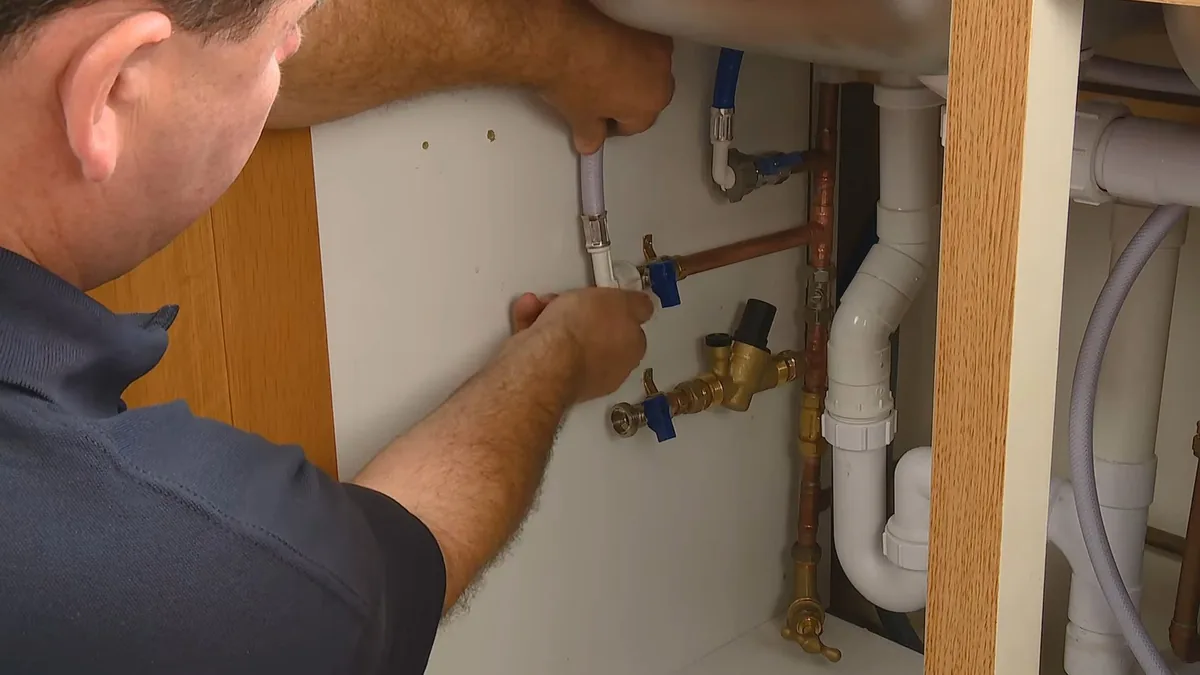
Tankless questions: does it never run out, sizing and servicing
Sizing, servicing and the gas question. To check a specific unit against your run, call (833) 571-0120.
Does tankless really mean I never run out?
It means you do not run out because a tank emptied, which is a different claim. A tankless unit heats water as it passes, so it delivers continuously. What limits it is flow rate: it can only raise so many gallons per minute by so many degrees at once. Exceed that and the temperature drops rather than the hot water stopping. Sized correctly for how your household actually uses water, you will not notice the ceiling. Sized optimistically, you will find it every morning.
What size do I need?
It comes down to two numbers multiplied together: the flow rate you want available at once, and the temperature rise needed to get incoming water to the temperature you use. Upland's incoming water is relatively mild, which helps, because a smaller temperature rise means a given unit delivers more gallons per minute than the same unit would in a colder climate. Count the fixtures that genuinely overlap rather than every fixture in the house.
How often does a tankless unit need servicing here?
Annually, and in Upland that is not a manufacturer's upsell. The City's 2025 water quality report records hardness at 120 parts per million against a range reaching 340, and hardness is what drives scale onto the heat exchanger. Scale is the single biggest cause of a tankless unit underperforming. Descaling is a straightforward annual job if the isolation valves were fitted at install, and an awkward one if they were not.
Can I put one where the old tank was?
Often, but check three things first. Venting: a tankless unit vents differently from the tank it replaces and the existing flue may not suit it. Gas: the run and the meter have to deliver the unit's demand, and that is calculated rather than assumed. And location, because the City has specific rules about where a gas unit can and cannot sit. A gas tankless is not permitted in a sleeping room, a clothes closet, or a closet opening into a bath or bedroom unless it is direct vent and listed for that use.
What does the City require for the permit?
Upland's Building and Safety Division requires a permit for all new and retrofit tankless installations, and the application has to include supply gas pipe sizing calculations with BTUs and pipe distances, plus the manufacturer, model and BTUs with two sets of specification sheets. That paperwork is part of the job and should be in any quote you accept. The division sits at 460 N Euclid Ave, on (909) 931-4110.
Price a tankless install against your own gas run
Tankless water heater Upland CA. Tell dispatch what you are seeing and when it started. You get a straight read on urgency and a written price before any work begins.