
Disaster mitigation · urgent
Water Damage Restoration in Upland, CA: Extraction, Structural Drying and Mould Removal
Water has already got in where it should not, and what matters now is how much of the building it got into and how fast it comes back out. Every hour it sits, it travels further along a joist and further up a wall.
This page is about extraction, drying and mould removal, not about finding the leak or rebuilding afterwards. Those are different jobs and the scope below says plainly where this one starts and stops.
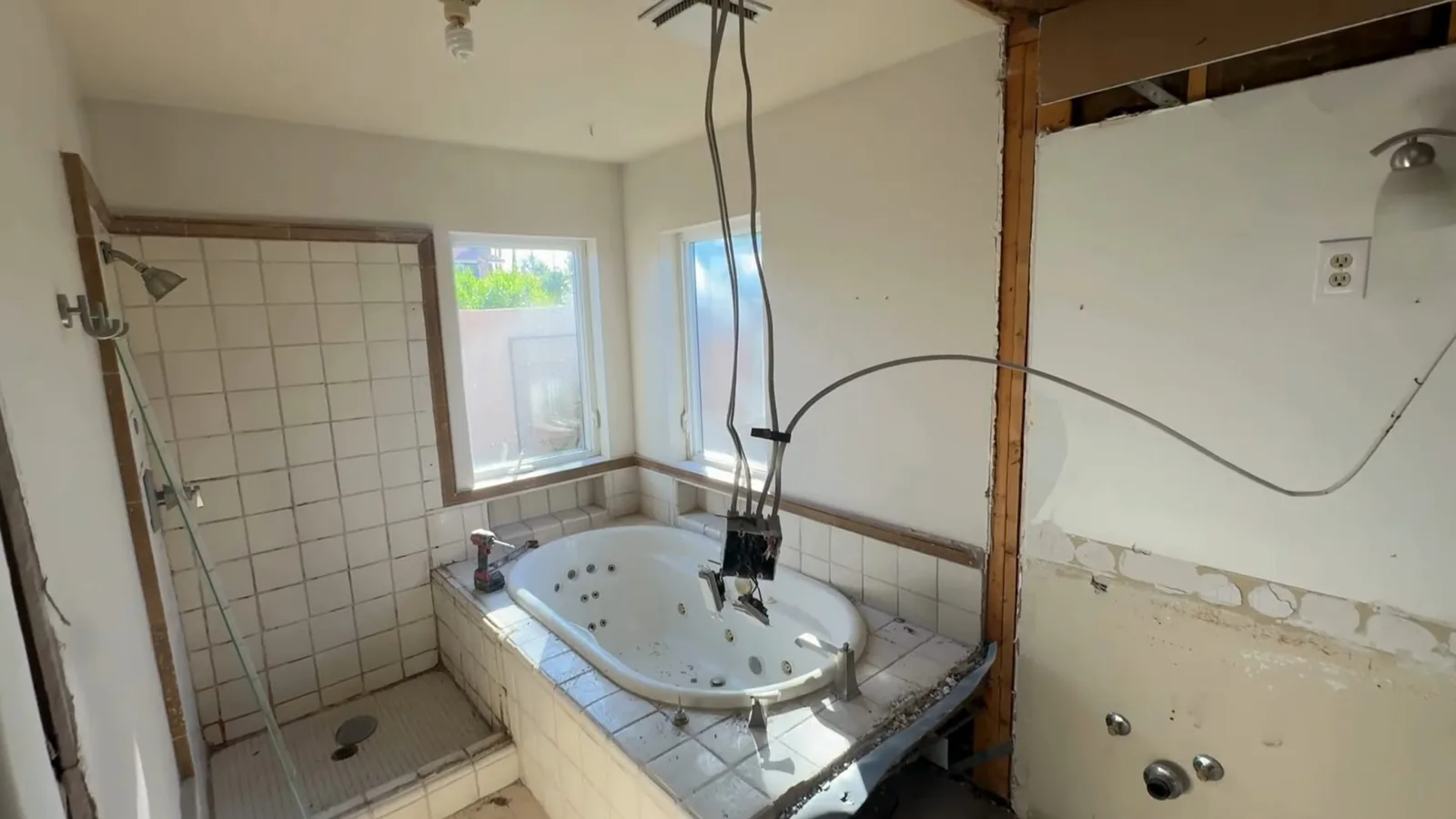
Standing water first, then air movement, then measurement. If water is still spreading right now, call dispatch on (888) 681-3447 and read this afterwards.
What this service covers: water removal, drying and cleanup
Three things happen here. Standing water comes out, the structure gets dried to a measured target, and anything that cannot be saved is removed. Mould removal after water damage is part of it.
Three things do not happen here, and saying so up front saves a conversation later. There is no reconstruction: no new drywall, no refinishing, no flooring put back. There is no mould testing, which is an independent role and better kept that way. And there is no diagnosis of the leak itself, which belongs with finding the leak or whichever repair page fits.
The first hours: stop the source, photograph, lift what you can
- Stop the source. Nothing on this list matters while water is still arriving.
- Photograph everything before it is moved. That record is the only version of how far it had spread, and an insurer will ask for it.
- Lift what can be lifted. Rugs, boxes and furniture legs off wet flooring, because stain transfer and wicking both start fast.
- Extract standing water. Volume out first, because no amount of air movement competes with a pool of water still sitting there.
- Set air movers and dehumidification, positioned for the room rather than dropped in the middle of it.
- Meter the materials, mark the points, and record the readings so the next visit has something to compare against.
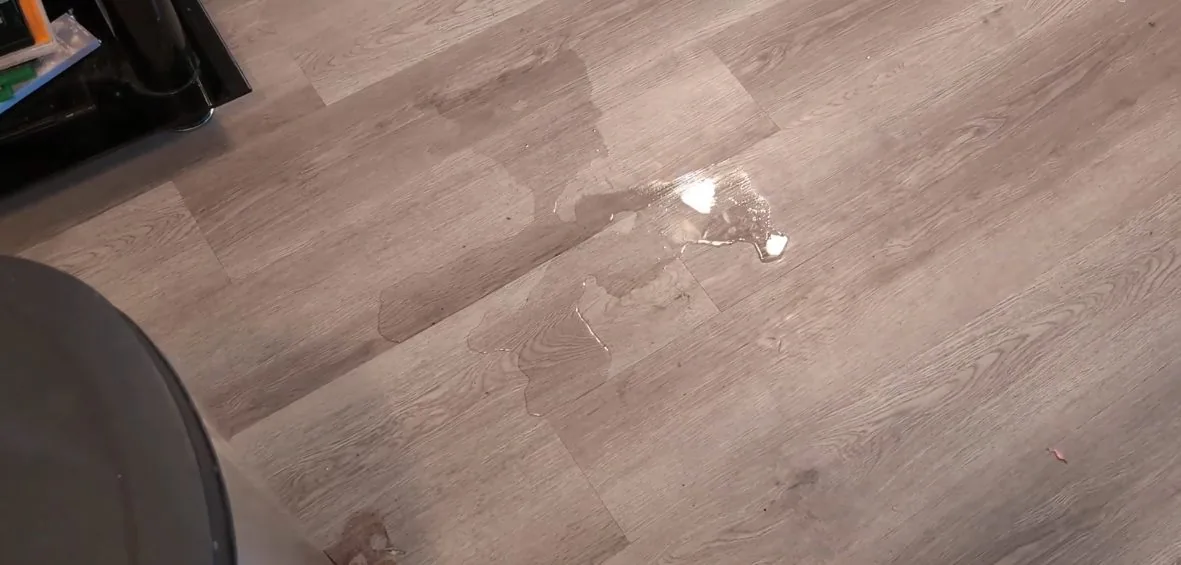
Drying is a measurement, not an impression
The whole job turns on readings. A moisture meter at marked points gives a trend, and the trend is what says whether the equipment is working or just making noise.
This matters because surfaces mislead. Paint feels dry long before the stud behind it is, and a floor can read dry on top while the subfloor underneath holds water. Pulling equipment on the strength of a dry-feeling surface is the single most common way a dried room becomes a mould job a few weeks later.
Drywall, hardwood and more: what dries in place or comes out
| Material | Usually dries in place | Usually comes out |
|---|---|---|
| Drywall | Wet a few hours, surface only | Saturated, or wet for days, or below the flood cut line |
| Solid hardwood | Light surface wetting, dried slowly with mats | Cupped, crowned or wet from below for days |
| Engineered wood or laminate | Rarely | Usually, because the core swells and does not recover |
| Carpet | Clean water, pad replaced, acted on fast | Sewage or long exposure, pad always, often the carpet |
| Carpet pad | Almost never | Almost always |
| Insulation in a wall | Rarely | Usually, because it holds water against the stud |
| Ceiling board | Light staining, no sagging | Any sagging, or water pooling above it |
Not sure whether what you are looking at dries or comes out? Describe the material and how long it has been wet.
Call (888) 681-3447Ceiling and wall cavities: stains that show up late
A ceiling stain is a symptom with a delay built in. By the time it shows on the paint, the cavity above has usually been wet for a while, and the water has tracked along a joist to the lowest point rather than sitting where it started.
Walls behave the same way vertically. Drywall wicks upward from a wet floor, so the visible line is the top of the travel, not the bottom. Meter readings taken up the wall in increments are what establish where to stop, and that line is also what determines how much material comes out.
A sagging ceiling is the one case to stop and keep people out from underneath. Water is heavy, and a board holding it does not give warning before it goes.
How hardwood, laminate and carpet differ after water damage
Solid hardwood can sometimes be saved if it is caught early and dried slowly with mats, because fast drying cups and splits it. Once boards have cupped or crowned and stayed that way, or the water came from below and sat, the floor is usually past saving.
Engineered wood and laminate rarely recover. The core swells, and swelling is not reversible by drying. Carpet is more hopeful: with clean water and quick action the carpet often survives while the pad underneath almost never does, because it holds water against the subfloor.
Mould after water damage: sealing the area, removal and drying
Mould after a leak is a moisture problem first. Removal without fixing why the material was wet simply resets a clock, which is why this work sits alongside drying rather than apart from it.
The work itself is containment so spores are not spread through the rest of the building, removal of affected material, cleaning of what stays, and drying to target so the conditions do not return.
What we do not do here
No mould testing and no claims about health effects. Testing is an independent hygienist's role and is better kept separate from the company doing the removal. Questions about how mould exposure might affect you are for your doctor, not for a plumbing company.
Sewage backup is a different category of cleanup
Water from a sewer backup is not treated like water from a supply line. It is contaminated, so porous materials it has touched generally come out rather than get dried: carpet, pad, and drywall above the line.
Stopping it happening again is a sewer line question rather than a cleanup one. The cleanup itself is removal, cleaning and disinfection of hard surfaces, then drying to target like any other job. Keep people and pets out of the affected area until it is done, and do not run the air conditioning, which moves air from that room through the rest of the house.
Storm water, and what Upland actually gets
Upland averages about 16.7 inches of rain a year, almost all of it between December and March, with February the wettest month. That produces a specific pattern: long dry months, then intense arrivals that find whatever drain was left blocked since the last one.
So storm-related water damage here is usually an entry problem rather than a volume problem. A blocked area drain backing up at a door threshold, a yard drain that silted up over summer, or runoff on a sloping lot finding a low point against the building.
One failure mode this city does not have is worth naming, because national restoration content is full of it. Ice dams do not happen here. If you are reading advice about ice dam damage, it is written for a different climate and none of it applies to an Upland roof.
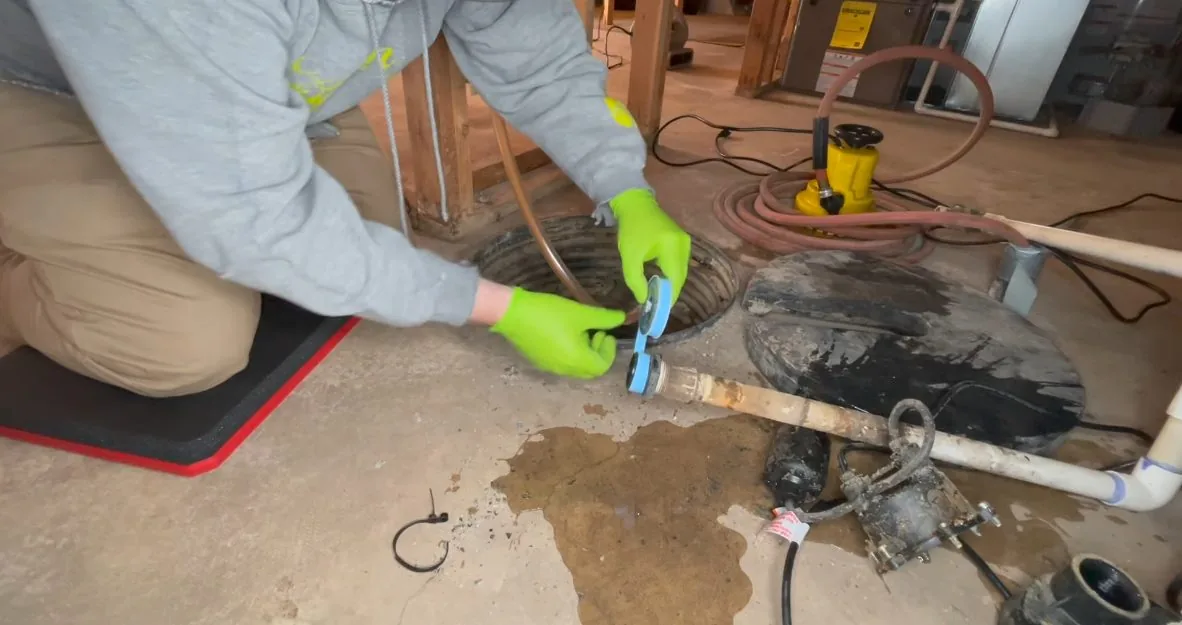
Drying plans for commercial, retail and multi-unit buildings
In a commercial building the drying plan has to work around the building staying open, or around the cost of it not being. That usually means containment that keeps part of the floor in use, work scheduled outside trading hours, and documentation detailed enough for a managing agent or an insurer.
In a multi-unit building there is a second problem: water rarely respects unit boundaries. A supply failure on an upper floor becomes three units wet, and the drying plan has to cover the shared structure between them rather than each flat in isolation.
Drying, mould and what insurance tends to ask
Mostly about timing, scope and insurers. If water is still spreading, stop reading and call (888) 681-3447.
How quickly does this need to start?
Within hours rather than days, and the reason is physical rather than commercial. Water moves along the path of least resistance, so it wicks up drywall, tracks along joists and gets under flooring while you are still mopping the visible part. Drywall that is wet for a few hours usually dries. Drywall that has been wet for several days usually does not, and then it is a removal job instead.
Do you repair the damage as well as dry it?
No, and that boundary is deliberate. This service covers extraction, structural drying, removal of material that cannot be saved, and mould removal. It does not cover reconstruction: no new drywall, no refinishing, no flooring replacement. When a room is dry and stable, that is the point at which a contractor takes over. We will tell you exactly what has come out and what the space needs, so whoever rebuilds it is not guessing.
How do you know when something is actually dry?
With a meter, not by touch. Materials have known target moisture contents, and the readings get taken at the same marked points each visit so the trend is visible. Drying stops when the readings sit at target across every point, not when a surface feels dry. A surface can read dry while the stud behind it is still wet, which is how a dried room turns into a mould problem three weeks later.
Can you test for mould and tell me if it is dangerous?
No to both, and that is the honest answer rather than a dodge. We handle mould removal after water damage: containment, removal of affected material, cleaning and drying so it does not return. We do not do mould testing, and we do not make claims about health effects. If you want the air or a sample tested, that is an independent hygienist's job, and keeping those two roles separate is the point. Health questions belong with your doctor.
What will an insurer want from me?
Generally: photographs before anything is moved, a record of when the damage started and when mitigation began, a list of what was removed, and the drying records. We can provide the mitigation side of that. What we cannot do is tell you whether a given policy covers a given event, because that depends on wording we have not seen. Call the insurer early, even before the full extent is known, because most policies expect mitigation to start promptly.
Stop the spread, start the drying
Water damage restoration Upland CA. Tell dispatch what you are seeing and when it started. You get a straight read on urgency and a written price before any work begins.