
Service area · the higher streets in the north of Upland
Emergency Plumber in Upland Foothills, CA: Pressure, Gravity Sewers and the Climb Toward the Mountains
Upland Foothills is the name this site's service list uses for the upper streets at the north end of town. It is not an official City district. The General Plan names five focus areas and this is not one of them, so the page treats the name as a label and makes no claim about where it starts or stops.
What earns those streets a page of their own is height. Upland rises from roughly 1,175 feet in the south to roughly 2,000 feet along its northern boundary, an 825 foot climb, and a house near the top lives with water pressure and sewer flow that a house near Foothill Boulevard never has to think about.
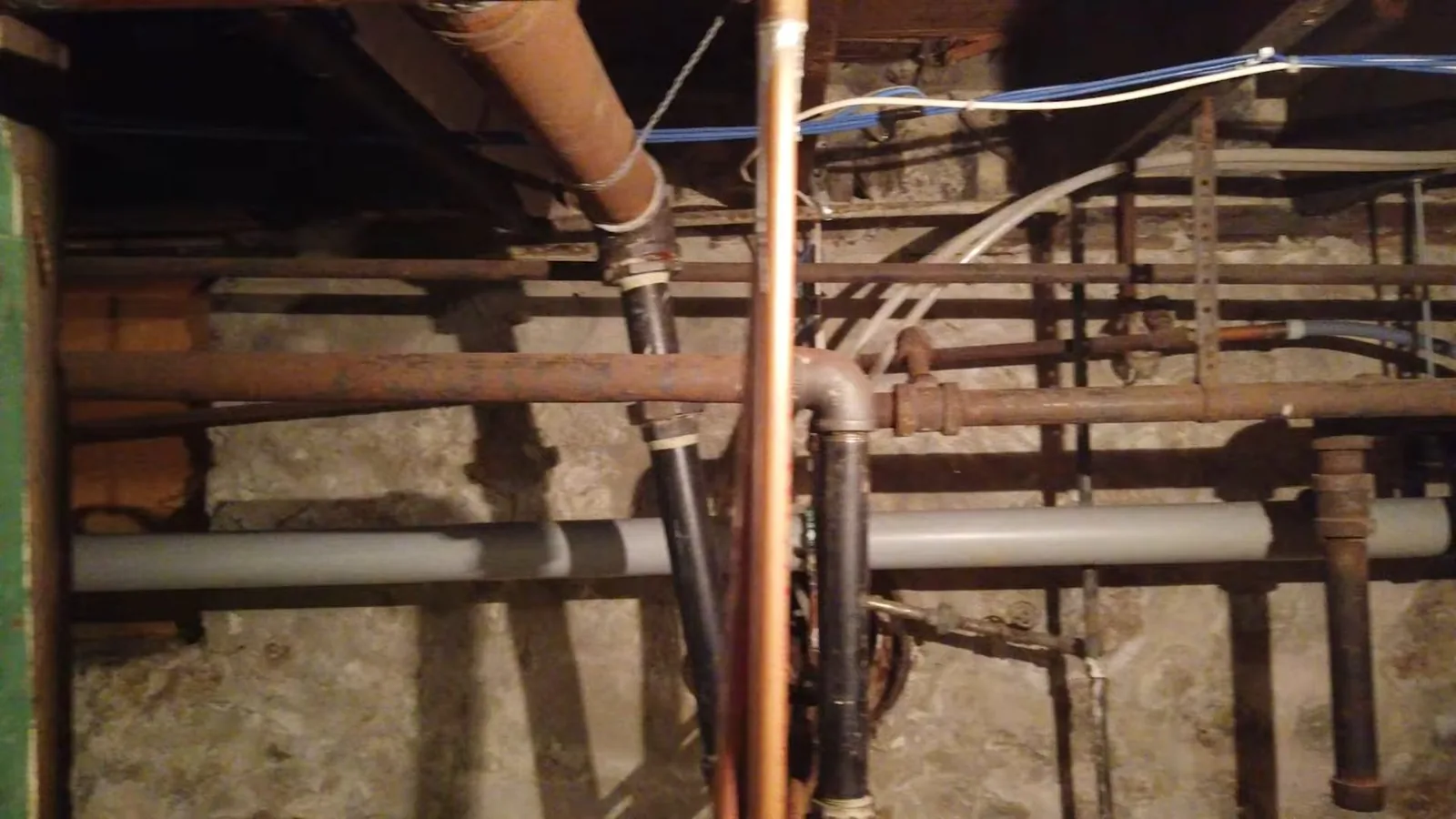
This page is about the part of Upland where the ground climbs, and the two plumbing things that follow from the climb. The first section says what the name does and does not mean, and calling dispatch on (833) 571-0120 if water is already moving.
Which streets count as the Upland Foothills
The streets meant here are the ones in the upper part of Upland, where houses sit on a visible slope and the mountains fill the north end of the street.
Those are ordinary Upland addresses. The City supplies the water, its sewer system serves the lots, and its Building and Safety Division handles permits. The only things that set them apart are the ones that come with altitude, and they are what the rest of this page works through.
Land beyond the city's northern boundary is a separate case. San Antonio Heights is unincorporated county land with its own water company, which is why it has its own page.
Dispatch serves the Upland Foothills streets and the neighbourhoods around the Madonna of the Trail on North Euclid Avenue alike. On a sloped street the cross street and which way the house faces help more than the number alone, and the monument is a handy landmark to mention.
Source: Upland, California (terrain and elevation range)
How much height turns into how much pressure
| Drop in height | Extra pressure | What it usually means |
|---|---|---|
| 10 feet | about 4 pounds | Not noticeable at a tap |
| 25 feet | about 11 pounds | Noticeable in a shower on a good day |
| 50 feet | about 22 pounds | Worth a gauge reading before any new fixture goes in |
| 100 feet | about 43 pounds | Confirm a pressure regulator is fitted and working |
Why the lower house sees the strongest water pressure
It is the opposite of what most people expect. A house high on the slope sees the weakest pressure on its street, which is annoying but harmless. The house near the bottom sees the strongest, and strong pressure is what splits a hose, wears a cartridge or leaves a water heater relief valve dripping.
Every house on a long hill is therefore in the same position as every other, only more so. The measurement costs almost nothing, and it settles an argument that would otherwise run on guesswork.
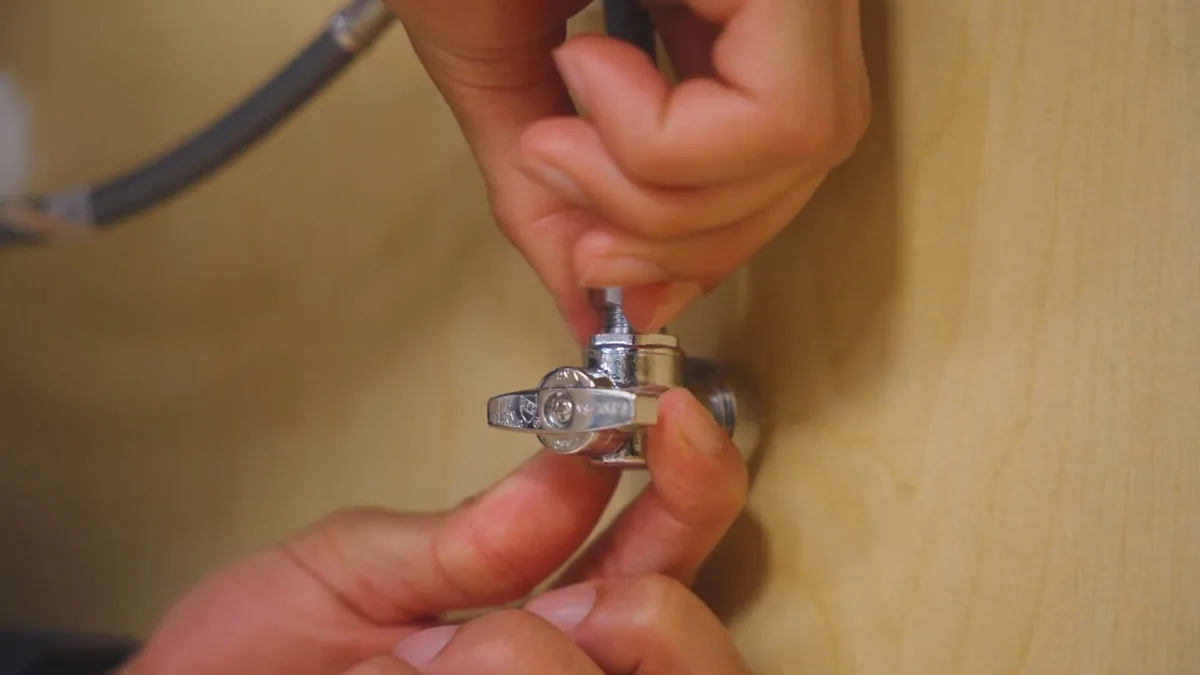
A ten minute pressure check you can run yourself
- Buy a hose-thread pressure gauge. It screws onto an outdoor tap and costs little at a hardware store.
- Shut off every appliance that draws water, fit the gauge, open the tap fully and write down the number.
- Run a shower and a washing machine together and read the needle again. A large drop between the two readings points to a restriction inside the house.
- A resting reading above about eighty pounds is worth a call, because pressure that high is hard on every fixture. The plumbing code expects a regulator on such a supply.
- Listen at the moment a valve shuts. A bang in the wall is water hammer, and it usually follows from pressure that is too high.
Quote the resting number when you call. Dispatch can say a good deal more about a problem with a figure in hand.
Call (833) 571-0120Gravity sewers, and the lowest fixture in the house
Every foot of Upland's sewer system relies on slope. The City's 2025 management plan records no pumps, no lift stations and no pressure mains anywhere in it. Pipes fall from north to south, and everything that goes down a drain does so because the next length of pipe is lower.
On the higher streets that has a plain consequence. A blockage stops flow at the obstruction and the line fills behind it, so the first sign is usually the lowest fixture on your lot. Someone sees water in a ground floor shower and assumes the toilet upstairs is the culprit, when the pipe under the yard is the real problem.
The City requires a cleanout at the property line for laterals running through the public right of way, and its sewer maintenance charge pays for mains, manholes and laterals in that right of way. Where your problem sits relative to the cleanout is the first thing dispatch will ask you to find. We do not state who owns the pipe on either side, because the plan does not say.
Before anyone arrives on a sloping lot
- Find the cleanout at the property line and clear any planter or paving off its cap
- Note which fixture shows the problem first, and which is lowest in the house
- Find the main shutoff and check the handle still turns before you need it
- Write down any pressure reading you took, and when you took it
- Confirm from your water bill who supplies the property
Which water body to ask about what
The City Water Division supplies Upland, and in 2025 it drew 80 percent of its water from groundwater, most of it from twenty wells split between the City, San Antonio Water Company and West End Consolidated Water Company. A small share is surface water treated at the City's San Antonio Canyon plant, and the rest is imported.
None of that tells you which source reaches your street, and the City does not publish it. A question about taste, hardness or supply pressure belongs with the supplier on your bill. A question about the pipe, the regulator or the water heater inside your own walls belongs with us.
ZIP code 91784 and the city line
The upper streets use ZIP 91784, a ZIP the network covers. San Antonio Heights, which is county land, uses the same ZIP, so the ZIP alone cannot say whether an address is inside the city. The street address can, and dispatch will ask for it.
Calls that tend to start at the top of the hill
The full service list is available here. These are the pages that matter most when pressure and slope are part of the problem.
- Leak detectiona bill that climbs with nothing visibly wet
- Water heater installationa relief valve that drips because the supply pressure is high
- Whole home repipingweak flow at the far bathroom and strong flow at the hose bib
- Drain cleaninga lowest-fixture backup that traces to the lateral
- All sixteen servicessorted by what you are seeing
Height, gravity sewers and who to ask about the water
Is Upland Foothills an official part of the city?
Not as a named district. The City's General Plan names five focus areas, and Upland Foothills is not one of them. No City source we found uses it as a place name. We use it for the higher streets inside the city's northern boundary, which are ordinary Upland addresses. Land beyond that boundary is county land, and the San Antonio Heights page covers the difference.
Does living higher up change the water pressure in my house?
Yes, because pressure follows height. Water gains about one pound of pressure for every two and a third feet it drops, so two houses a hundred feet apart in height on the same supply differ by roughly forty three pounds. The lower house is the one at risk of a pressure problem. A gauge on your own outdoor tap gives you the real number for your lot, which is better evidence than the neighbour's.
Who supplies the water up here?
The City of Upland Water Division supplies the city. Its 2025 report puts the source mix at 80 percent groundwater from 20 wells, with the City holding a 68 percent stake in San Antonio Water Company, which is one of the well owners. The City does not publish which source reaches which street, so the supplier named on your water bill is the one to ask. Ask that supplier, not a plumber, about supply-side pressure.
Which way does a sewer backup travel on a sloping street?
Toward the lowest opening upstream of the blockage. The City's sewers rely on slope alone, according to its 2025 management plan, so a stoppage does not push anything uphill. It fills the line behind it and shows at the lowest fixture on the property: a ground floor shower, a floor drain, a basement-level utility sink if there is one.
Do permits work the same way on the higher streets?
Inside the city limit, yes. The Building and Safety Division at 460 N Euclid Avenue, (909) 931-4110, keeps a permit list that covers replacing a water heater, repiping, and new or repaired water, sewer and gas lines. Check that your address is inside the city before you rely on that. Some northern streets are county land, where a different office decides.
Send dispatch up the hill
Say what is happening and roughly where in Upland Foothills you are, then ring dispatch on (833) 571-0120. You get a straight read on urgency and a written price before any work begins.