
Service area · 3.2 miles east, two water providers
Emergency Plumber in Rancho Cucamonga, CA: Sewer, Drains, Heaters and Leaks, and Who Supplies Your Water
Rancho Cucamonga lies about 3.2 miles east of Upland and is the largest town on this list at roughly 175,000 people. It also has the most interesting utility geography of the nine, and that is not a figure of speech.
Most of the city is served by one water district. Part of it is not. If you have ever rung a utility and been told you are not their customer, that is why, and the section below explains where the line actually falls.
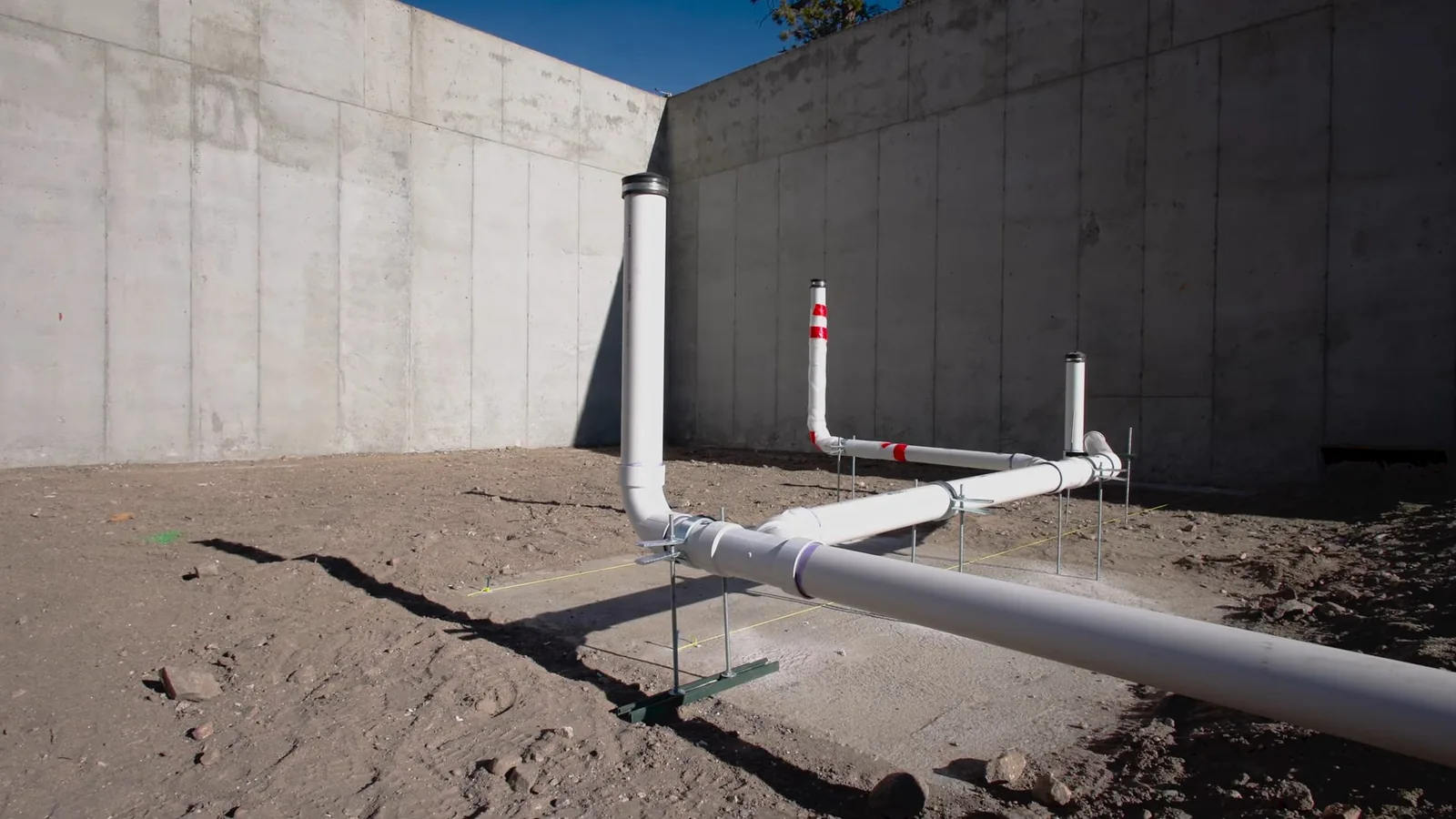
Rancho Cucamonga's water district boundary does not follow the city line everywhere, which catches people out on exactly the kind of call where it matters. Section one untangles it; after that, calling dispatch on (833) 571-0120.
Etiwanda Avenue and the boundary east of the district's area
Rancho Cucamonga is mostly Cucamonga Valley Water District territory, serving around 48,000 connections with potable and recycled water plus wastewater collection. East of Etiwanda Avenue, though, a county boundary review records that Fontana Water Company is already the water provider.
That is the kind of detail nobody needs until the moment they do. It surfaces when a pressure problem turns out to be the supplier's, when a meter needs reading, or when somebody is trying to work out who is responsible for a leak between the main and the house.
There is a boundary change in progress to tidy it up: the annexation of a 383.5 acre area either side of Etiwanda Avenue, generally north of 6th Street and south of Arrow Route, specifically to make the district's boundary match the city's. Until that lands, your bill is a more reliable guide to your provider than a map is.
Source: San Bernardino LAFCO 3270, annexation staff report
Where the district's supply comes from
| Source | Share | What it is |
|---|---|---|
| Local groundwater | about 48 percent | Wells in the Chino and Cucamonga Basins |
| Purchased imported supply | about 46 percent | Bought from the Inland Empire Utilities Agency |
| Canyon sources | about 6 percent | Surface water off the mountain front |
The Cucamonga Basin is the one thing genuinely shared with Upland
Close to half of what the district pumps comes up out of the Chino and Cucamonga Basins, and the Cucamonga Subbasin underlies Upland as well. Per the state bulletin, the deposits there are loose rather than cemented and dominated by gravel on the coarse side, with occasional compacted clay layers and a mountain front origin.
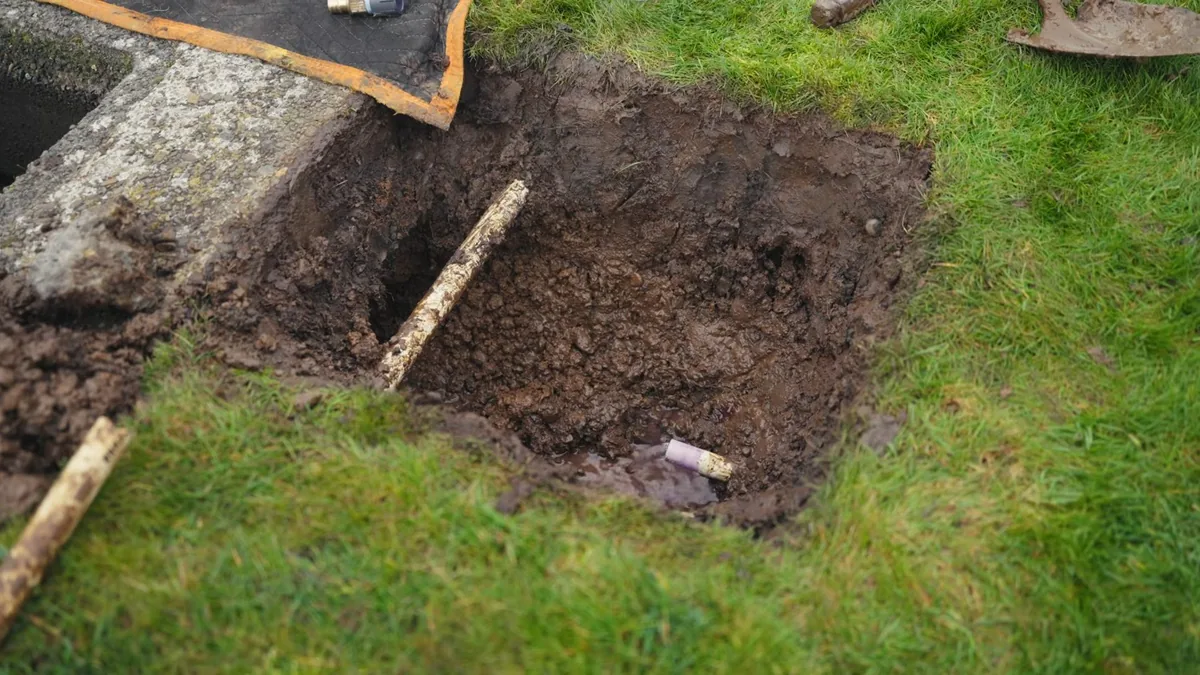
One repair consequence follows from loose coarse ground, and it is worth carrying onto a job: a leak below grade does not stay put. It migrates along the bedding, so surface damp and actual failure are routinely well apart, and digging where it looks wet buys an empty hole. Our slab leak detection page covers the locating that avoids that.
What this page will not do is turn that into a soil movement claim. No Upland or Rancho Cucamonga source we found supports the idea that ground movement here cracks pipes, so we do not say it.
If you are near Etiwanda Avenue, have your water bill to hand on the call. Knowing your actual provider saves the most time of anything here.
Call (833) 571-0120Collection by the district, treatment by the region
The unusual part of this city's arrangement is that one body does both water and wastewater collection. The district collects, and the Inland Empire Utilities Agency treats, with Regional Plant No. 4 the closest facility.
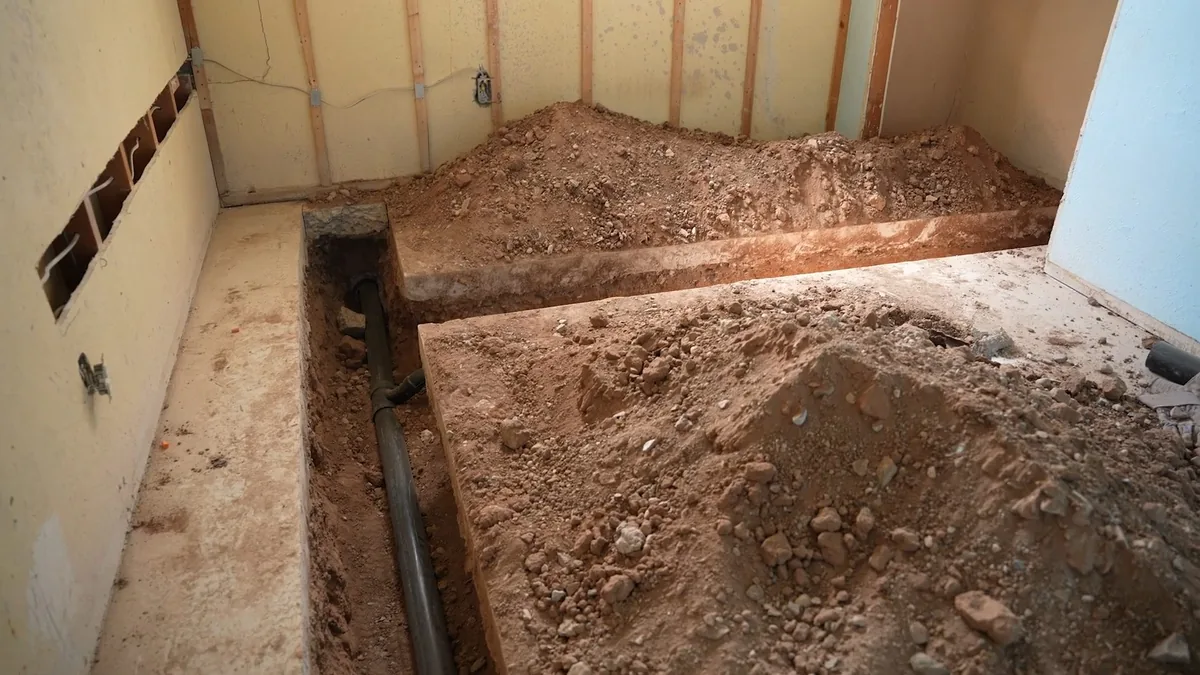
That is tidier than the split next door, and the line of responsibility still falls in the same familiar place: their mains, your lateral. Root intrusion at a joint, grease narrowing a bore and a dropped section all behave the same on this side of the city line as the other, and a camera run is how any of them gets confirmed rather than assumed. The trenchless page covers what happens when the camera finds a defect rather than a blockage.
Worth checking before a Rancho Cucamonga visit
- Which water provider your bill actually names, especially near Etiwanda Avenue
- Whether the stop valve has been turned any time this decade
- Whether a boundary cleanout can actually be got at
- Whether anyone else on the road has the same trouble
- That permits run through Rancho Cucamonga's own building department, not Upland's
- Whether anything was worked on shortly before the trouble began
What Rancho Cucamonga calls most often need
Coverage here is the complete set. The four below are where the volume sits, and the pages behind them talk about pipe rather than geography.
- Sewer line repairseveral fixtures failing together, which points past them
- Hydro jettinga line that keeps closing after it was cleared
- Slab leak repaira warm patch, or water heard under the floor
- Whole house repipingonce the repairs start arriving on a schedule
- Every service dispatchedsixteen entries, indexed by symptom
Who provides water in Rancho Cucamonga and the basin beneath
Who provides water in Rancho Cucamonga?
For most of the city, the Cucamonga Valley Water District, which serves roughly 48,000 connections with potable and recycled water and also runs wastewater collection. It is not universal though. A San Bernardino County boundary review records that Fontana Water Company already serves the portion east of Etiwanda Avenue, so the provider on one side of that road is not the provider on the other.
Where does the district's water come from?
A mix, and the proportions are published. Around 48 percent is local groundwater from wells in the Chino and Cucamonga Basins, about 46 percent is purchased from the Inland Empire Utilities Agency, and roughly 6 percent comes from canyon sources. The Cucamonga Basin is the same subbasin Upland sits in, which is the one real hydrological thing these two places share.
Where does the wastewater go?
The district collects it and the Inland Empire Utilities Agency treats it, with Regional Plant No. 4 the nearest facility. The district is one of seven collection agencies IEUA names as its wastewater customers, a group that takes in Upland too.
Why does the district boundary not match the city?
It is being brought into line. The county review covers the annexation of the remainder of the district's southern sphere of influence, a 383.5 acre area east and west of Etiwanda Avenue, generally north of 6th Street and south of Arrow Route, with the stated effect of making the district boundary match the city's. Until a boundary change like that completes, the honest answer to who serves a given address is to check the bill rather than the city limits.
Does any of this change the plumbing work itself?
Rarely the work, often the first phone call. Where the trouble sits on the street side of your connection, ringing the wrong utility costs you a day. On your own side of the boundary cleanout, or inward of the meter, the pipe behaves identically whoever bills you for the water, and that stretch is ours to work on.
Get a Rancho Cucamonga job scheduled
Say what is happening and roughly where in Rancho Cucamonga you are, then ring dispatch on (833) 571-0120. You get a straight read on urgency and a written price before any work begins.