
Drainage · high pressure specialist
Hydro Jetting Services in Upland, CA: Grease, Scale and Roots Stripped Out of the Line
Jetting is not a stronger version of drain cleaning. It is a different action. A spinning head pulls itself up the line on reverse facing jets and scours the full circumference as it goes, so what comes out is the coating rather than a plug.
That makes it the right tool for three situations: a line that has been cleared before and shut again, a blockage made of accumulated film rather than a single object, and any pipe about to be relined, because a liner needs a clean host.
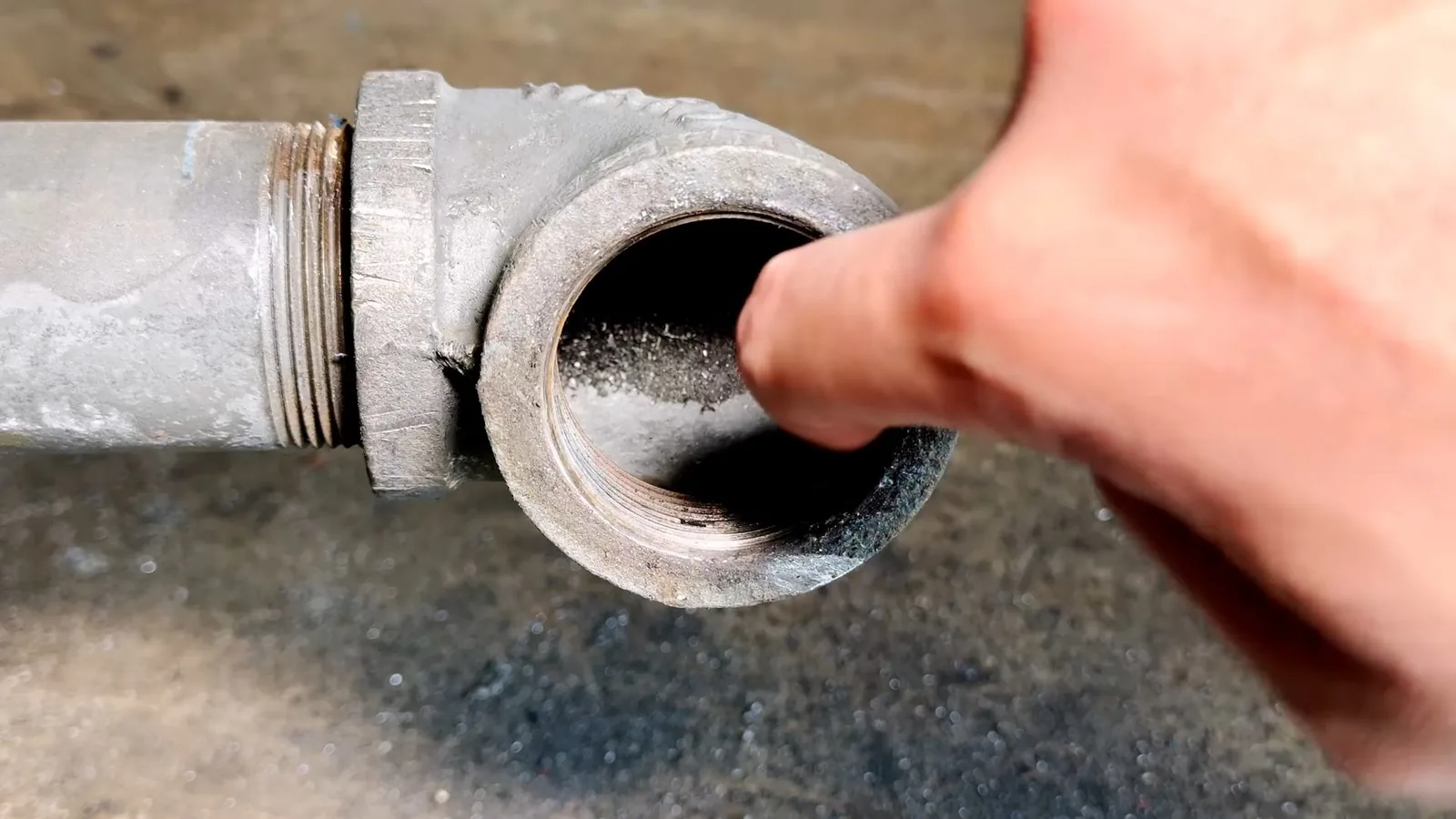
A cable cuts a channel through a blockage. A jetter washes the pipe wall back to the material it was made of. If this is the second or third clearing on the same line, that difference is the whole conversation, and call dispatch on (833) 571-0120 starts it.
What high pressure water actually does inside a pipe
The head does not blast forward. Most of the jets face backward at a shallow angle, which drives the hose up the line and lifts debris off the surface behind it. The waste travels back down with the return flow toward the cleanout, which is why the operator is standing where the mess arrives and not where the head is working.
Head choice is most of the skill. A chain or cutter head takes root mass and hardened build up. A flat or penetrating nozzle opens a plugged line enough to let water past. A rotating head does the finishing pass that leaves the pipe wall bare. On a line with more than one problem, the heads go in sequence rather than one doing everything.
Cabling and jetting are not competing for the same job
| The situation | Cable | Jetter |
|---|---|---|
| One hard object, a toy, a bone, a root plug | Right tool | Overkill |
| Grease coating the full length of a kitchen line | Opens a bore, closes again | Right tool |
| Scale narrowing an old cast iron stack | Little effect | Right tool |
| Fine root hair through a joint | Cuts the mass, leaves the hair | Removes both |
| Preparing a line for a liner | Not sufficient | Required |
| A line already cracked or pulled apart | Risky | Stop and repair instead |
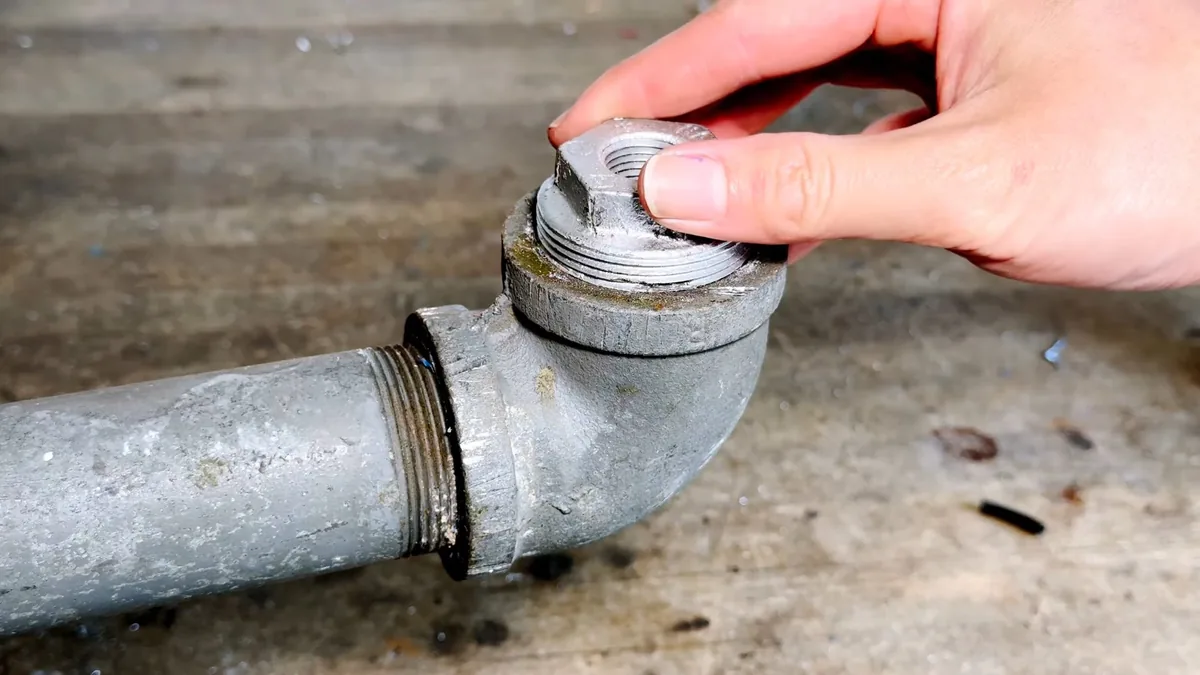
Kitchen grease is the blockage a cable never really wins
Cooking fat leaves the sink warm and liquid and sets somewhere downstream where the pipe is cool. It does not form a plug. It forms a lining, and it keeps collecting every solid that passes until the bore is a fraction of what it was.
Push a cutter through that and you get a tube of clear pipe inside a tube of grease. Water moves, the sink drains, and the call comes back. Washing the wall is the only action that resets the line, which is why a kitchen branch with a repeat history is the most common private jetting job in a residential street.
This is also where the two services divide cleanly. A single blocked trap arm is a drain cleaning call and should be priced as one. A line that has been cleared twice is not.
Lines where jetting is usually the right first move
- A kitchen branch cleared within the last twelve months
- Any line serving a commercial kitchen, a bakery or a cafe
- An old cast iron stack where the bore has visibly narrowed on camera
- A main with fine root hair through several joints rather than one plug
- Any sewer line about to take a liner, where a clean host pipe is not optional, which is covered on the trenchless repair page
- A laundry line coated with detergent build up and lint
If you know the date of the last clearing on that line, bring it to the call. A repeat inside a year changes the recommendation immediately.
Call (833) 571-0120Upland's 207 miles of gravity sewer and how the City cleans it
Upland's sewer collection system is about 207 miles of pipe, 1,095,000 linear feet, running from 3 to 21 inches with 8 inch making up the majority. It operates entirely on gravity alone, without a single lift station or pressure main. The City runs three combination jetter and vacuum trucks on it.
The useful detail for a homeowner is what the City says it is fighting. Its own management plan lists the causes at its designated areas of concern as grease, build up, roots and wipes. Those are the same four things that close a private lateral, and the City's chosen response to them is high pressure water on a schedule.
One named example makes the point. On 24 June 2025 the Loma Sola roots line had its interval cut to 2 months, from quarterly before that. A root source does not get better, it gets managed on a shorter interval, and that is the honest expectation to set for a private line with roots in it too.
Source: City of Upland, Sewer System Management Plan Update, July 2025
Hydro jetting steps: locating the cleanout and a cold camera pass
- Find and open the access. City rules put a cleanout where a lateral meets the property boundary in the public right of way, so most properties have one. If it cannot be found, locating it is the first billable work.
- Camera the line cold, before any water goes in. Material, diameter, slope, and any defect that rules jetting out all get decided here.
- Open the line with a penetrating nozzle if it is fully blocked, so there is somewhere for the return flow to go.
- Cut, if there are roots. A chain or cutter head takes the mass back to the pipe wall.
- Wash, with a rotating head on a slow pull, which is the pass that actually cleans rather than clears.
- Camera it again and watch the footage. A clean line is the only evidence that the work was the right work.
Scale, roots and two decades of clay under these streets
The City's own records show where its sewer came from. About 290,300 feet went in during the 1960s and about 300,000 feet during the 1970s, which is more than half the system in those two decades. Vitrified clay is the material behind most of the system's oldest sections, and clay goes in as short lengths with a joint at every one. A joint is where fine roots find moisture.
Housing followed the same curve. On the regional planning agency's figures from the American Community Survey, 1970 to 1979 is Upland's largest single decade for homes built at 24.7 percent of units, with 60 percent of the stock going in before 1980. Private laterals of the same age sit between those houses and those mains.
Add hard water to that. Hardness in the City's 2025 report comes in at 120 parts per million and the reported range reaches 340, so scale lining the inside of an older waste pipe is a normal finding here rather than a surprise. Jetting is the only clearing method that takes it off.
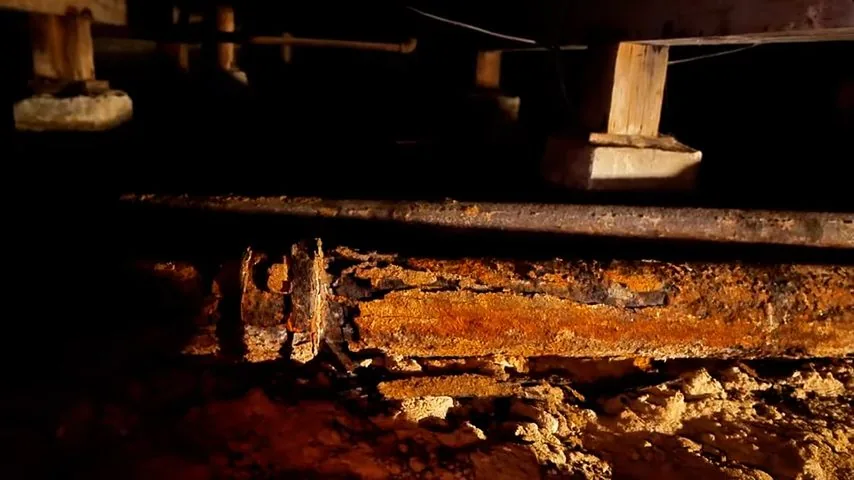
Restaurant and commercial waste lines
A commercial kitchen generates in a week what a household does in a year, and the line that serves it was usually sized for the building rather than for the menu. The practical consequence is that the interval matters more than the method: a line on a known schedule rarely shuts during service, and a line on no schedule eventually does.
Scheduling is the part worth negotiating up front. The work is noisy, the access is often in a back of house area, and the right time for it is almost never trading hours. Jobs like this get booked around closing rather than squeezed into a morning.
Light commercial and industrial repair
Retail units, offices, small industrial and multi-unit residential. The fixtures are often the same, but the pipe is sized differently, the usage patterns are harder on it, and downtime costs money rather than convenience.
Scheduling tends to matter as much as the work. Most of this gets booked out of trading hours, and the useful question on the first call is when the building can actually be without water rather than how soon someone can be there.
When the camera finds damage: sewer repair or pipe lining
Jetting cleans a pipe. It does not repair one. If the camera shows a defect rather than a coating, the right page is one of these.
- Sewer line repairwhen the camera finds a crack, an offset joint or a dropped section
- Trenchless pipe liningwhen the line is intact enough to reline instead of dig
- Drain cleaningfor a single blocked fixture with no repeat history
- Water softeners and filtrationfor the supply side of the hardness figure above
Pressure, pipe condition and lines that keep closing
The five that come up on nearly every jetting enquiry. If your line has a history the camera has already recorded, call (833) 571-0120 and bring the dates.
Can high pressure water damage my pipe?
It can, which is exactly why a camera goes down first and the pressure and head are chosen after that rather than before. Sound cast iron, ABS and PVC take a full working pressure without complaint. An old clay line with joints already pulled apart, or a cast iron line thinned to a shell by decades of corrosion, is a different judgement, and sometimes the answer is that the line needs repair rather than cleaning. Anyone who quotes a jetting price before looking inside is guessing at that for you.
Why not just run a cable again, since that worked last time?
Because it worked in the sense that water moved again, not in the sense that the pipe is clean. A cutting head on a cable opens a bore through the obstruction roughly the width of the head. The film, grease and root hair that narrowed the pipe in the first place is still on the wall, so it closes again on the same schedule. When a clearing has to be repeated inside a year, the thing to change is the method, not the frequency.
How often would a line need this?
There is no single interval, and a useful reference point is what the City does with its own sewer. Every main in Upland is cleaned and flushed at least once every 24 months, and segments the City has identified as problems get done every 2 months. A private line with a known grease load or a root source behaves like one of those problem segments, and a line with neither usually needs nothing on a schedule at all.
Does a camera run come with it, or is that extra?
Both ends of the job are camera work and you should expect to see the footage. Before, so the pipe's material and condition set the pressure rather than an assumption. After, so the result is visible rather than described, and so any defect that the coating was hiding, a crack, an offset joint, a dropped section, is on record while the line is clean enough to see it.
What moves the price on a job like this?
Access, length and what the line turns out to be. A ground level cleanout at the property line is a short setup. No cleanout, or one buried under a deck, adds time before the pump even starts. A kitchen branch is a short run; a main out to the street is not. And a line that needs root cutting before the wall can be washed is two operations rather than one. The ranges on our cost page are written wide for exactly those reasons.
Put a jetter on the line that will not stay open
Tell dispatch what you are seeing and when it started. You get a straight read on urgency and a written price before any work begins.