
FAQs · fifteen answers, no sales talk
Plumbing Questions in Upland, CA, Answered: What to Do First and Who Picks Up the Phone
These are the questions that come up most on calls and in searches, answered the way you would want them answered at the kitchen sink with the water on the floor. Each answer starts with the answer, and the detail follows.
Questions about one specific service, such as a running toilet or a slab leak, are answered on that service's own page, and the table further down points to each one.
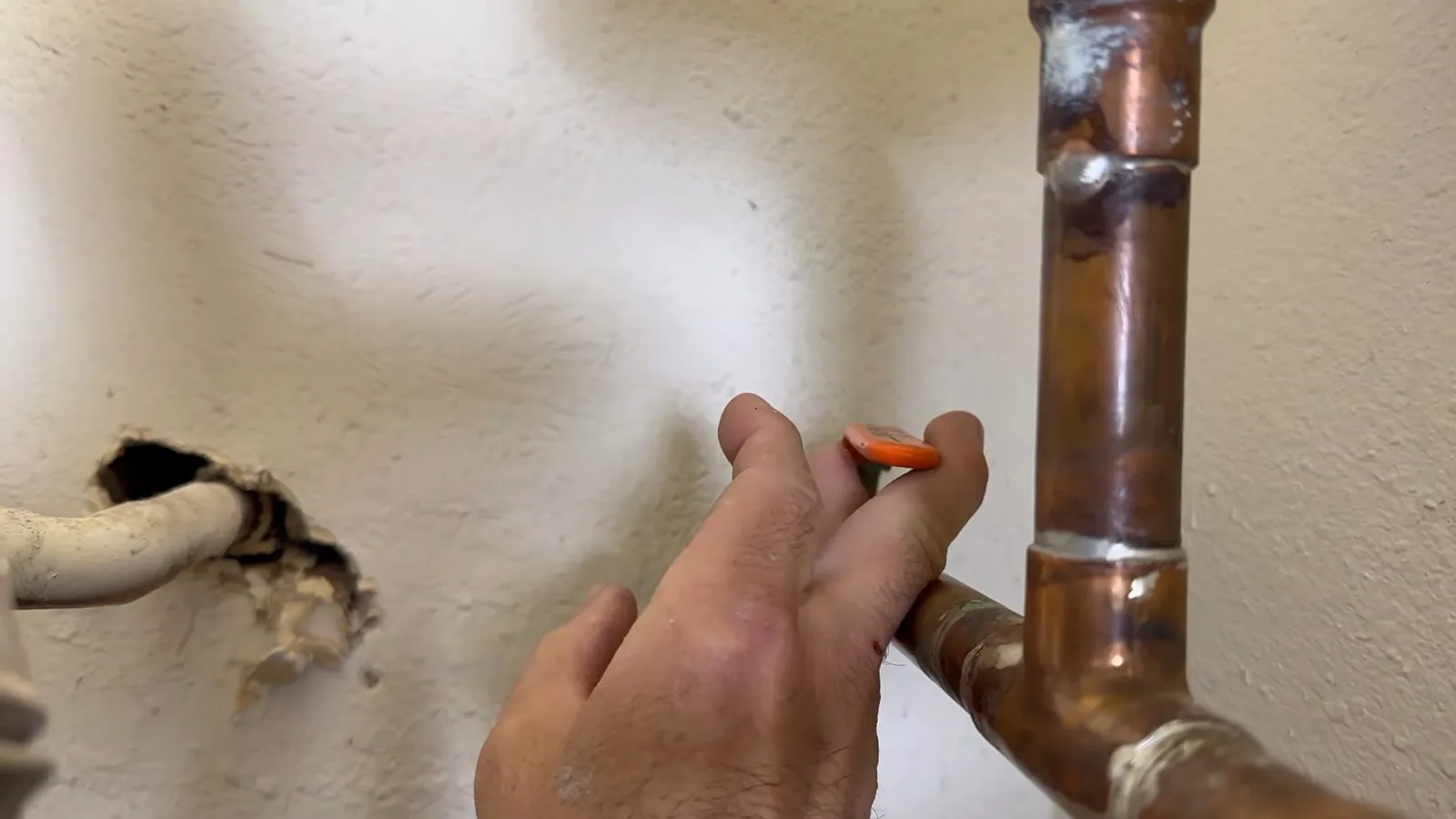
First steps in a plumbing emergency: stop the water, then call
What should I do immediately during a plumbing emergency in Upland?
Stop the water, make the area safe, then call. Close the valve under the fixture if you can reach it. If water is still arriving or you cannot tell where it is coming from, turn the main shutoff until it stops, then open one cold tap at the lowest point in the house to let the pipes drain and take the pressure off the break.
Keep clear of water near outlets, a panel or an appliance, and cut power at the breaker only if you can reach it without standing in water. Photograph the damage before you move anything, in case an insurance claim follows. For a sewage backup, do not flush or run any water, since everything you add has nowhere to go.
Then ring dispatch and say three things: what is happening, where the water is going, and whether the main is off.
Where is the main water shutoff in a typical Upland house?
Usually where the supply line enters the building, often on an outside wall near the water heater or a hose bib, or in a garage or utility closet. Many houses also have a valve at the meter by the street, but that one is generally the water provider's, so look for the house's own valve first.
Find it before you need it. Turn it fully off and on once while nothing is wrong, because an old valve that has never moved can seize, and discovering that during a flood is the worst time. A quarter-turn lever is easy; a round wheel handle takes several turns clockwise. Tie a tag to it so anyone in the house can find it.
How fast can someone actually get to a burst pipe?
We cannot give an honest arrival time over the phone, and a number given before anyone knows where the nearest plumber is would be a guess. What we can do immediately is talk you through stopping the water, so the damage stops growing while a visit is arranged.
The sequence is simple: you describe the problem, dispatch judges how urgent it is, a plumber stays on the line while you shut the water off, and the visit is scheduled as soon as someone is available. Active flooding and sewage coming up are treated as the highest priority. A drip you can contain is not, and we will say so.
Still have a question this page does not answer? Ring dispatch and ask.
Call (833) 571-0120Calling dispatch, and where it reaches
Can I call about an active leak or sewage backup?
Yes. Pipes fail on their own schedule, so call and describe what is happening. Whether someone can come right away depends on the day and on where the plumber is, and you will hear that on the call.
This is a call-only dispatch service. There is no office to drive to and no form to fill in: you ring, you describe the problem to a person, and the next step is arranged from that conversation.
What happens when I call?
A person answers, asks what is happening, and works out with you how urgent it is. Nothing gets booked until the symptom is understood well enough to send the right plumber with the right parts.
From there it runs in order: shutoff advice if water is moving, a visit arranged, the problem looked at on site, and a written price agreed before any work starts. We do not promise an arrival time or quote a figure on the phone, because both depend on what is found when someone sees the pipe.
Do you cover San Antonio Heights and the unincorporated area north of the city?
Yes. San Antonio Heights lies within the area dispatch covers, even though it is not part of the City of Upland. It is an unincorporated community of San Bernardino County, directly north of the city, with county-maintained roads and its own water company.
The difference matters for paperwork. Because the County and not the City is the authority there, a permit question for a property in the Heights goes to the County. The San Antonio Heights page sets out who handles what, and the service area list covers the other towns.
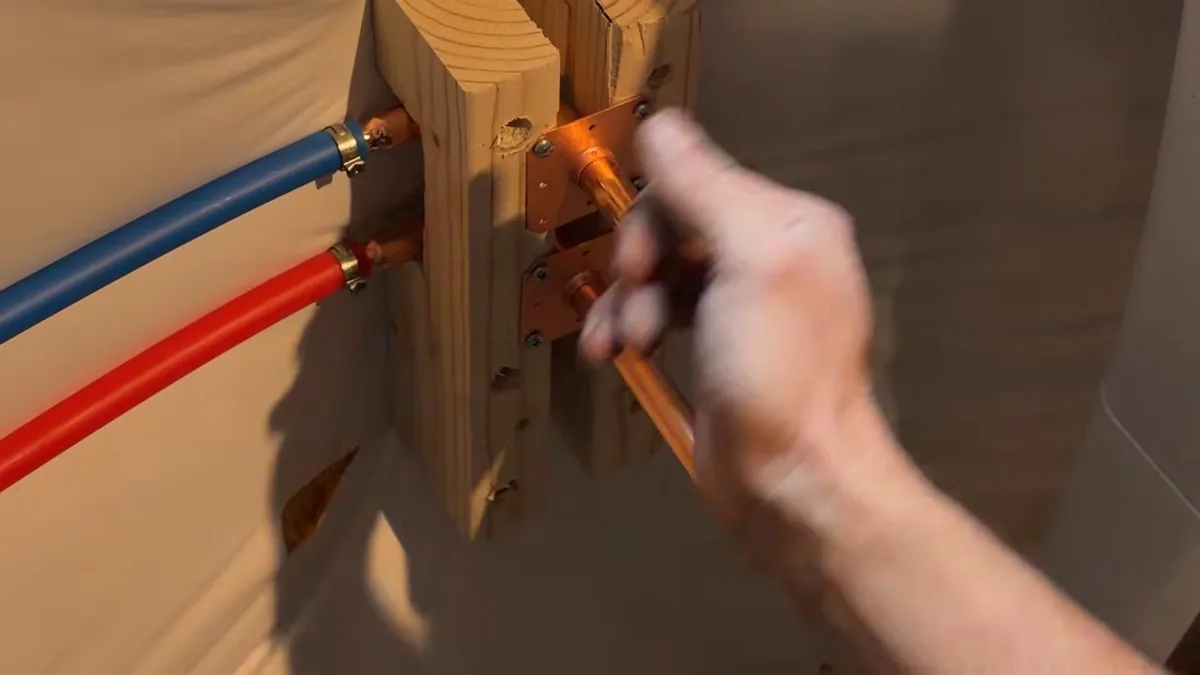
Permits, and checking who you hire
Do I need a municipal plumbing permit for water heater installation in Upland?
Yes. Building and Safety, the City office that issues plumbing permits, treats swapping a water heater as permit work, whether the unit is brand new or a like-for-like replacement. A tankless unit has its own published requirements, including gas pipe sizing calculations and a relief valve routed to the outside.
The City's handouts do not describe an inspection routine in detail, and we would rather not invent one, so the office itself is the place to ask what it checks. It is at 460 N Euclid Avenue and answers on (909) 931-4110. The tankless page goes through the City's tankless requirements item by item.
Which plumbing jobs need a permit in Upland besides a water heater?
More than most people expect. The City's own guidance names plumbing repipes and repairs, installing or repairing water, sewer and gas lines, and replacing a shower or tub enclosure. It adds that in many cases a permit is required for altering, repairing or replacing an existing fixture.
We do not say any plumbing job is exempt. The City refers to a separate form listing work that does not need a permit, which we could not check, so the safe course for anything beyond a simple part swap is to phone Building and Safety before work begins. This applies inside the city limit only; property outside it answers to a different authority.
How can I check for myself that a plumber is licensed in California?
Use the Contractors State License Board's online License Check tool. Enter the licence number, or the business name, and it shows whether the licence is active and which classification it is under, meaning which trade it covers. It takes a minute and does not rely on anyone's word.
Ask any contractor for the number before work starts. A reputable one gives it without hesitation. The tool is at cslb.ca.gov. This describes how to vet any contractor, and not a claim about any one business.
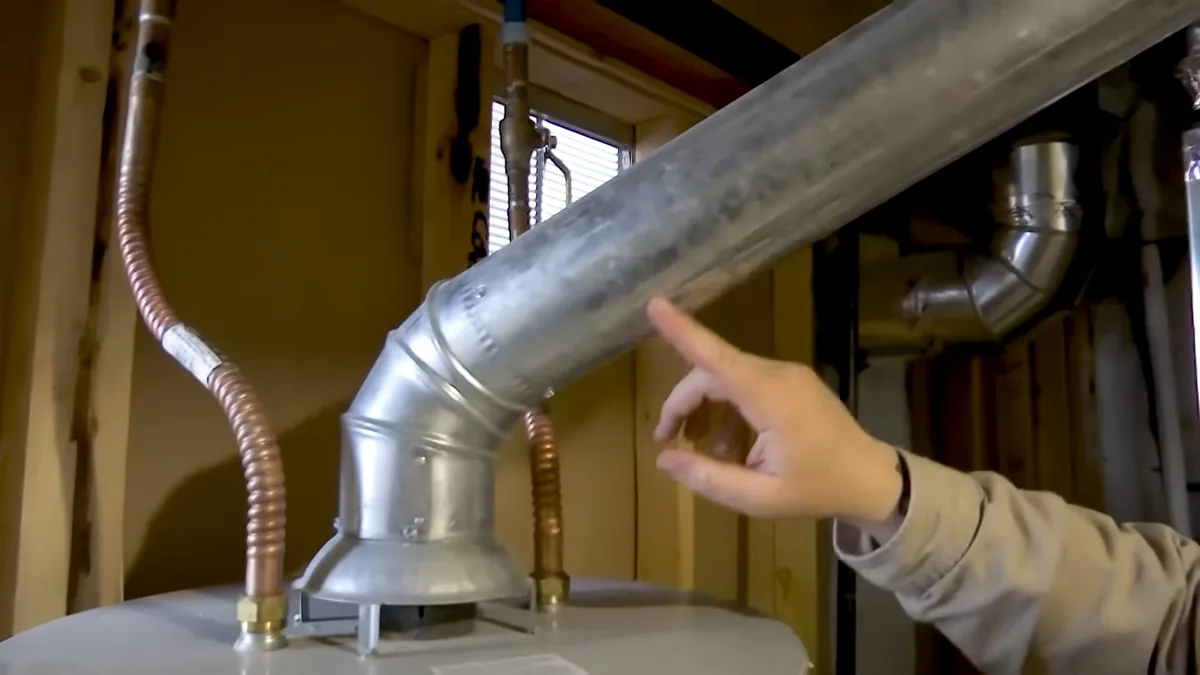
Heaters, drains, leaks and toilets
How does high humidity and heavy rainfall impact plumbing and sewer drains in Upland?
Heavy rain adds water to the ground and to the storm drains, and the effect shows up as slow drains, gurgling fixtures or a sewage backup in the lowest fixture in the house. Upland is dry most of the year, so a storm is the exception that finds the weak point in an older lateral, such as a root-filled joint or a sagging section.
Keep storm cleanouts and yard drains clear before the season, and ask a plumber whether an exterior backwater valve suits the property. It is a one-way valve on the sewer lateral that stops flow coming back into the house. It is not a repair for a damaged pipe, so a camera run comes first. Humidity matters far less here than rain: sweating pipes and damp cabinets point to a supply or drain leak worth checking.
What are the most common signs of a hidden slab leak in Upland homes?
Three signs come up most: one floor spot that feels warm underfoot, running water you can hear with every tap closed, and a water bill that rises while the household's habits have not changed. A pressurised line under concrete leaks without fuss, so the first clue is rarely a puddle.
Later signs include a lifting tile or a damp rim along the edge of the carpet. A toilet that runs on can raise the bill in the same way, so rule that out first. The guide to locating a slab leak covers the meter check and the choice between spot repair and a reroute.
How long do standard water heaters last in Upland, CA?
Most tank heaters give 8 to 12 years of service, and tankless units go well beyond that when they are descaled every year. Mineral in the water shortens the top end, because scale collects in the tank and on the heating parts.
Once a tank passes its twelfth year and begins to weep from the shell, replacement is the usual answer. A younger unit with one failed part is often worth repairing. A yearly look at the relief valve and a tank flush both help. For the deciding factors, see repair or replace guide.
When is trenchless pipe lining (CIPP) recommended over traditional sewer excavation?
Lining suits a sewer with cracks, root intrusion or corrosion where the pipe is still in place and can hold a liner. A resin-soaked sleeve is pulled in and cured, and it makes a new pipe inside the old one without a trench along the whole line.
It is the wrong method for a collapsed or badly displaced section, because a liner needs a host pipe to press against. In that case that stretch is dug and replaced. A camera run decides which applies, so start there. The lining against digging comparison sets the two methods side by side.
How often should residential drains be professionally cleaned or hydro jetter cleared?
For a single family house with no history of trouble, plan on a professional clean every 18 to 24 months. Mature tree roots near the lateral, or a kitchen that sends a lot of grease down the drain, call for a shorter gap, and a camera pass shows how fast the line is building back up.
Hydro jetting is a heavier clear than a cable, aimed at scale, grease and fine roots. Say on the call if the same line has been cleared before. Read more on how often drains need clearing and on when jetting fits.
Why does my toilet periodically run on its own without being flushed?
Phantom flushing nearly always means a rubber flapper that no longer seals, or a fill valve that never fully shuts. The tank loses level slowly, and the valve makes it up with a short refill every so often.
To find which, drop a little food colouring into the tank and wait ten minutes without flushing. Colour that turns up in the bowl points at the flapper. Both parts are inexpensive, yet the wrong one is often replaced first. The toilet dye test steps are set out in full.
Longer questions and the page that answers each
A few questions need more room than a FAQ gives them. Each of these is answered in full on the page that owns the subject, so the answer is never split across two places.
| If you are wondering about | Read this page |
|---|---|
| A running toilet nobody has flushed | Toilet Repair |
| Whether Upland water is hard enough to need treatment | Water Softeners |
| Hidden signs of a leak under a concrete floor | Slab Leak Repair |
| A bill that jumped while no wall or floor looks damp | Leak Detection |
| Repair or replace on an ageing water heater | Water Heater Repair |
| A drain that clogs again weeks after being cleared | Drain Cleaning |
| Lining a pipe against digging up the yard | Trenchless Pipe Lining |
| Who looks after the sewer main on your street | Sewer Line Repair |
| Repair or repipe after repeated pinhole leaks | Whole House Repiping |
| What a job tends to cost, in ranges | Cost guide |
Not covered above? Call and describe what is happening
If your situation does not fit any of the answers above, that is a normal reason to call. Describe what is happening and where, and dispatch will say whether it needs someone now or can wait for a scheduled visit.