
Leak detection · high ticket emergency
Slab Leak Detection and Repair in Upland, CA: Warm Floors, Running Water Sounds and Spot Repair or Reroute
A slab leak is a failure in a water line cast into or run beneath the concrete floor. Nothing about it is visible, it does not stop when you stop using water, and the damage it does is cumulative rather than sudden.
The work splits into two halves that get priced separately for good reason. First, finding it to within a foot or so without opening anything. Then choosing between a single penetration through the slab and rerouting the affected run overhead, which is a decision about the house as much as about the pipe.
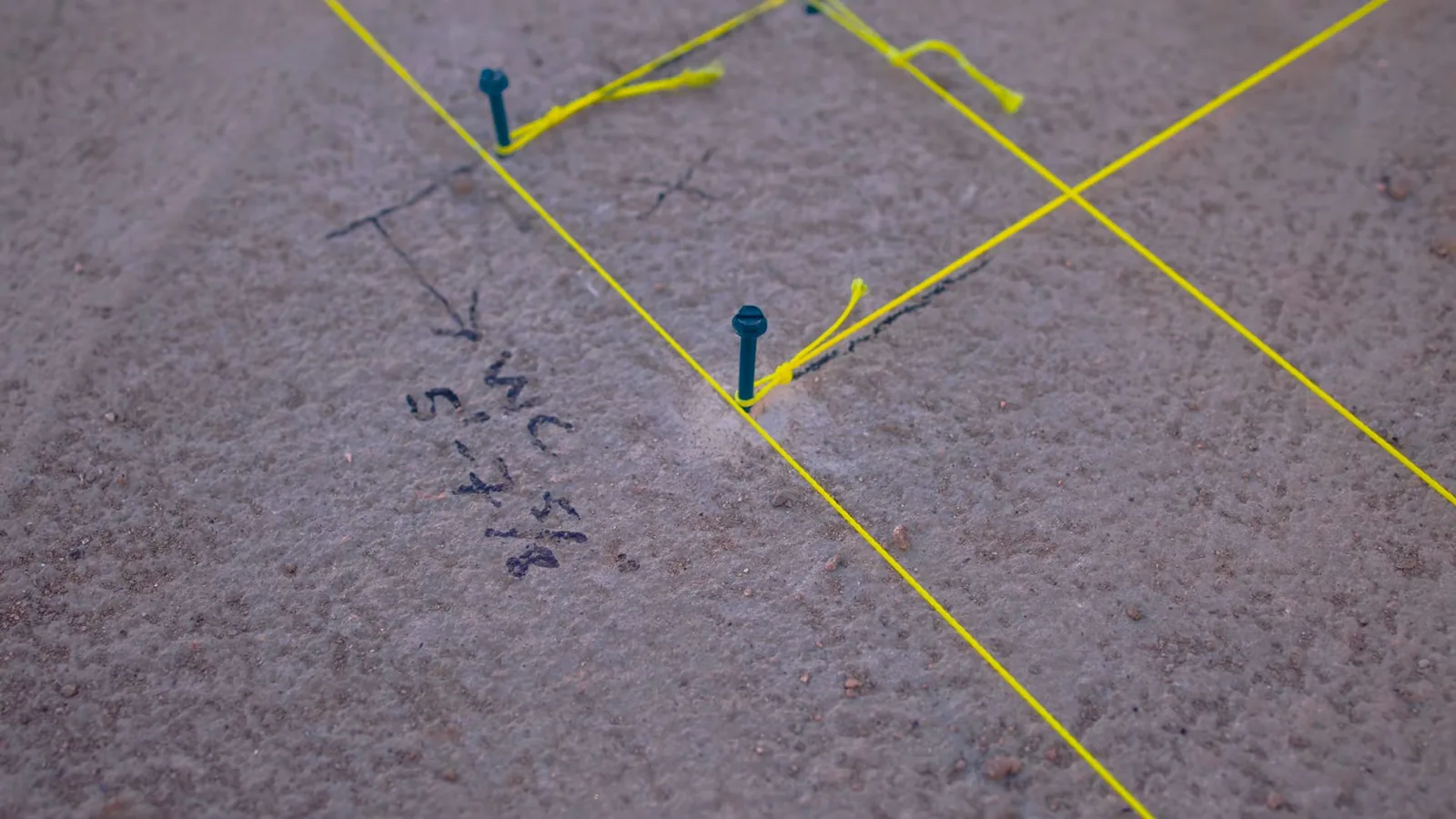
A pressurised line under a slab leaks continuously and quietly, and the first evidence is usually something other than water. If the floor has a warm patch or you can hear running water with every tap shut, call dispatch on (833) 571-0120 as soon as you notice it.
Why a slab leak shows later than a leak behind a wall
Behind a wall, water shows. It stains, it blisters paint, it swells a skirting board. Under a slab there is nowhere for it to go but sideways through gravel and up through whatever the floor covering happens to be, so the first evidence is indirect.
Warmth is the most reliable early sign, and it narrows the problem immediately. A warm patch means the hot line, which on most houses is the shorter and more accessible half of the system. Cold line leaks give you sound, a rising bill, and eventually a damp edge at the carpet or a tile that has lost its bond.
One thing is worth ruling out first, because it costs nothing. A toilet that leaks internally will run a bill up the same way with none of the drama, and that is a ten minute check rather than a visit.
Do these before anyone cuts concrete
- Shut every fixture, then watch the meter dial for ten minutes. Movement with nothing running is the whole case in one reading
- Walk the floor barefoot, slowly, including under furniture and inside cupboards on outside walls
- Shut the valve on the water heater outlet. If the sound stops, it is the hot side
- Note when the bill changed, and by how much. A claim later will ask for exactly that
- Photograph any lifted tile, cupped board or damp carpet edge with the date visible
- Do not have anyone break the floor on the strength of a warm patch alone. A warm patch is a direction, not a position
Pressure isolation splits the supply so the leak locates quickly
Pressure isolation comes before any listening. The supply is split at the heater and at the stop valves so the hot and cold sides can be held under pressure separately and watched. A loop that holds is eliminated. A loop that bleeds down is the one.
That one step removes roughly half the possible pipe from the search and it is the reason a locate takes an hour rather than a morning. It also catches the cases that are not slab leaks at all, which is a result worth paying for in its own right.
On houses with a hot water recirculation line there is a third loop to account for, and it is a common source: the return run is longer, it is in service constantly, and it is frequently the oldest pipe in the floor.
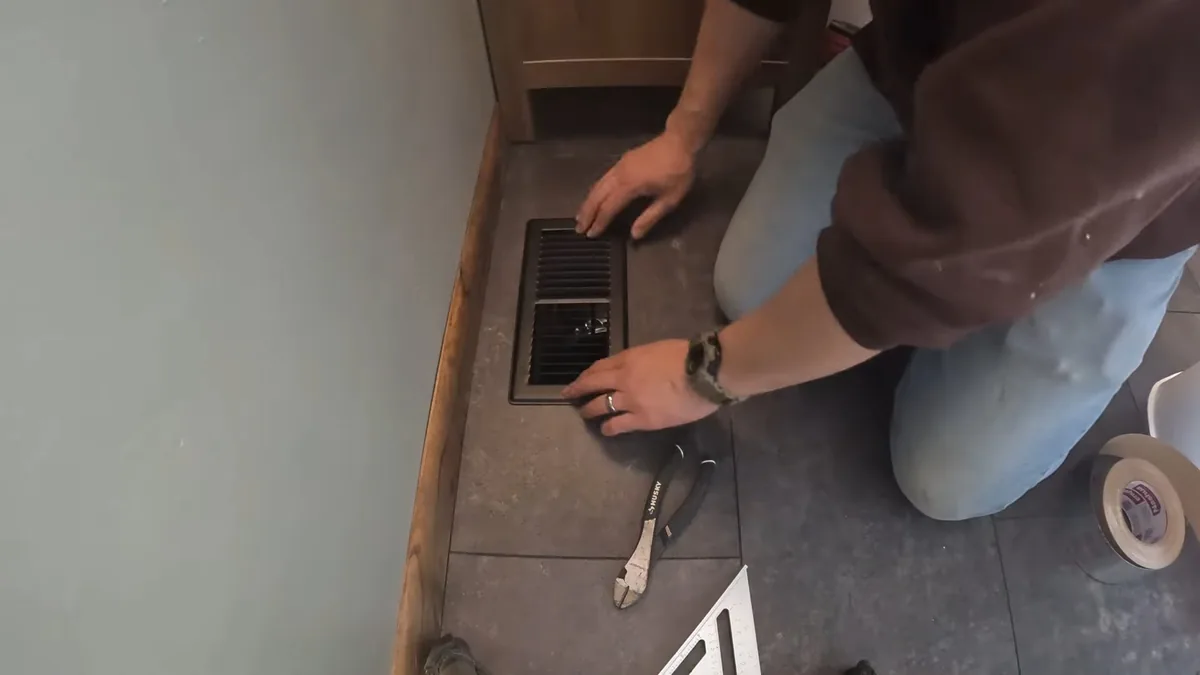
Three ways out, and what each one costs you in disruption
| Approach | What happens | Best when | What it disturbs |
|---|---|---|---|
| Spot repair | One opening through the slab at the located point, pipe repaired, concrete made good | A single failure, conventional slab, floor finish that can be matched | The floor, in one place |
| Overhead reroute | The failed run is abandoned and replaced through the attic and down a wall | Post-tensioned slab, unmatchable floor, or a second failure on the same run | Ceiling and wall, not the floor |
| Reroute the whole loop | Every line on that side taken out of the slab in one project | Repeat failures, or a repipe already under consideration | More wall and ceiling, once, instead of the floor repeatedly |
Tell dispatch whether the warm patch is there and whether the meter moves with everything off. Those two answers set the whole visit.
Call (833) 571-0120What the ground under Upland means for slab leaks
Upland sits on the Cucamonga Subbasin, ground made of loosely consolidated sand, gravel and silt with a few beds of compacted clay, laid down by streams draining the San Gabriel Mountains. It is not the expansive clay that moves a slab and cracks pipes in some other parts of California.
Coarse gravel under and around a slab matters for a more practical reason: water escaping into it travels. That is why the wet spot and the break are frequently not in the same place, and why a leak is located before anyone cuts the floor.
Seasonal groundwater levels in the subbasin usually move more than 20 feet. That is a fact about the aquifer, not about your floor.
Source: California DWR Bulletin 118, Cucamonga Subbasin 8-2.02
A post-tensioned slab changes the plan before anything else does
Post-tensioned slabs are held in compression by steel tendons under high tension running through the concrete. Cutting one is not a matter of care, it is a matter of not cutting at all until every tendon in the area has been located, and even then the engineering approval sits outside a plumber's scope.
In practice that means a located leak in a post-tensioned floor goes to an overhead reroute by default. It is worth establishing which kind of slab you have early, because it changes the quote, the timeline and who else needs to be involved. Original permit drawings, a visible tendon stressing pocket at the slab edge, or a scan will all answer it.
Why the age of the pipe matters here and the age of the soil does not
A slab leak is nearly always a pipe reaching the end of its service life while encased in something that stops anyone noticing. Thin wall copper in contact with concrete, a joint under stress since the day it was poured, or a line that has been running hot water continuously for decades.
That is why the useful question on a mid century or 1970s house is not what the ground is doing but how many more of these you are prepared to find. One located and repaired leak is a repair. A second on the same loop inside a couple of years is the point at which replacing the whole loop usually costs less in total than continuing to chase it.
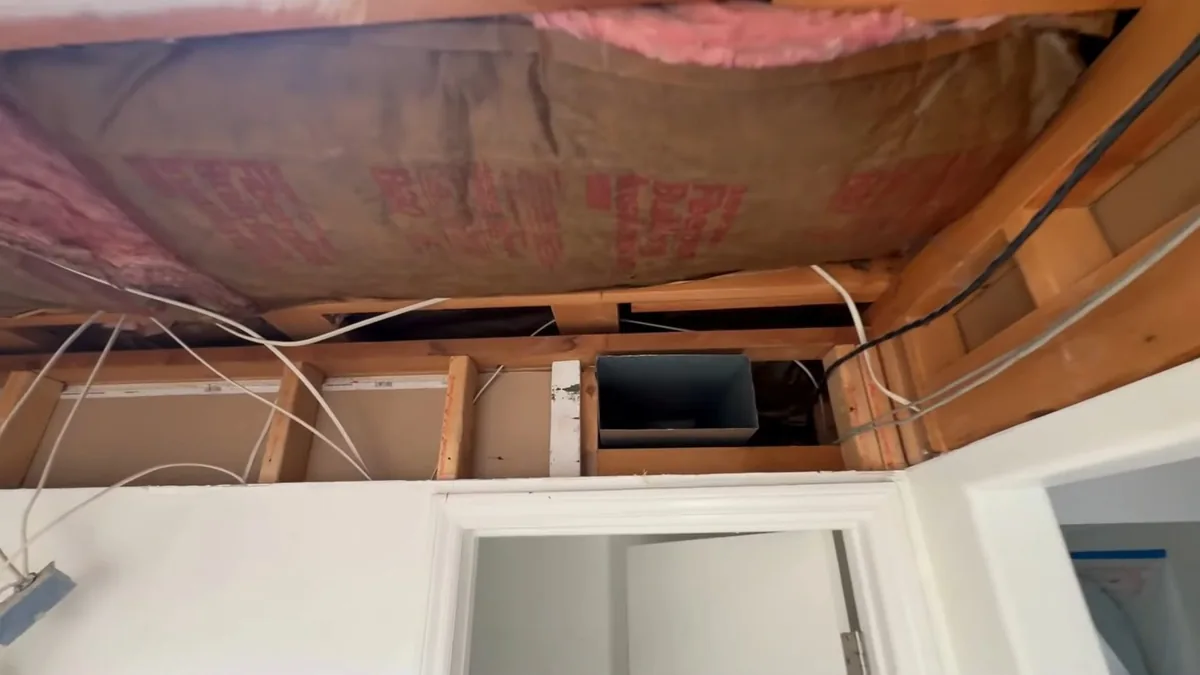
Overhead reroute sequence: agreed route, City permit, then work
- Confirm the locate and agree the route on paper, including which ceilings and walls get opened and who closes them again.
- Pull the City permit. Upland's Building and Safety list names water line installation or repair and plumbing repipe or repair as permit work, so this is not a grey area.
- Isolate and drain the affected loop, then cap the slab run at both ends and leave it in place. Nothing is pulled out of the concrete.
- Run the new line overhead and drop it inside the wall to each fixture on that loop, with insulation on anything carrying hot water through an unconditioned space.
- Pressure test before anything is closed up, and leave it under test long enough to mean something.
- Close up to the scope agreed in writing at step one, and have the inspection signed off rather than assumed.
Slab leaks under a commercial floor
Under a retail unit, an office or a restaurant the physics are identical and almost everything else is harder. One meter often serves several tenancies, so proving which unit is losing water takes elimination before any locating starts, and the drawings that would shorten that rarely match what was actually built.
The floor is usually the constraint that decides the method. Cutting a trafficked, sealed or tiled commercial floor means a barrier, a programme and a trade following on behind, so bringing a replacement run in above a suspended ceiling is frequently the cheaper route even where the slab could be opened.
The rest is scheduling. The noisy and disruptive stages belong outside trading hours, and that is a conversation to have while the quote is being put together rather than on the morning the work starts.
Documenting a slab leak repair in case of an insurance claim
Whether a policy responds to a slab leak is between you and your insurer and nobody here will tell you how that will land. What we can do is make sure the evidence exists, because the common reason a claim stalls is that the repair happened before anyone recorded the damage.
That means the locate report with the marked position, dated photographs of the floor and any affected finishes before work starts, the meter reading showing continuous flow, the bill history either side of the change, and an invoice that separates detection from repair. Ask for all of it as a matter of course, not as a favour.
Five slab leak questions answered, from first signs to claims
These five cover the decisions a slab leak forces, in the order they usually arrive. Anything specific to your floor is better answered on the phone, so call (833) 571-0120.
What does a slab leak feel like before it looks like anything?
Four signs, in rough order of how often they arrive first. A patch of floor noticeably warmer than the floor around it, which means the hot line rather than the cold. The sound of water moving with every fixture closed, loudest with an ear to the floor or a cupboard back. A water bill that steps up and stays up. And a water heater that cycles more than it used to, because it is reheating water that is going nowhere.
Do you have to break the floor to find it?
No, and locating is deliberately a separate stage so that no concrete is cut on a guess. The line is isolated under pressure to prove which loop is losing, then located through the slab by listening for the escape and by reading the temperature pattern the escaping water makes. Concrete is cut only once there is a mark on the floor and a reason for it.
Can it be fixed without cutting the slab at all?
Often, and sometimes that is the only sensible option. Rerouting abandons the failed run in place and brings a new line overhead through the attic and down inside a wall to the same fixture. It costs you wall and ceiling work instead of floor work, it does not disturb the structure, and it is the default answer when the slab is post-tensioned or when the finished floor is something that cannot be matched.
The house is around fifty years old. Does that make this likely?
It makes it worth taking seriously rather than inevitable. What the published data supports for Upland is the age of the stock: the regional planning agency's figures put 60 percent of homes here as built before 1980, with 1970 to 1979 the single largest decade. What it does not support is any claim about which material is in a particular floor. That gets established by looking, not by the year on the deed.
How do I check that whoever I hire is actually licensed for this?
Yourself, in under a minute, and before you book rather than after. The California Contractors State License Board publishes a License Check tool at cslb.ca.gov where a licence number or a business name brings back whether it is current, what trade it covers, and any disclosure sitting against it. On a job that involves opening a floor or rerouting supply lines, that is a check worth doing on every bidder you speak to.
Tell dispatch what you see before any floor is opened
Slab leak detection & repair Upland CA. Tell dispatch what you are seeing and when it started. You get a straight read on urgency and a written price before any work begins.