
Service area · its imported water comes through Upland
Emergency Plumber in Chino Hills, CA: Leaks, Drains and Water That Arrives Through Upland
Chino Hills lies about 9.6 miles from Upland and is almost exactly the same size, around 78,300 people against Upland's 79,000. Of the nine towns it is the furthest out and the closest match in scale.
Its water story is the one genuine curiosity in the set. The City runs its own system, but most of its own wells are offline and the imported supply making up the difference is treated at a facility inside Upland.
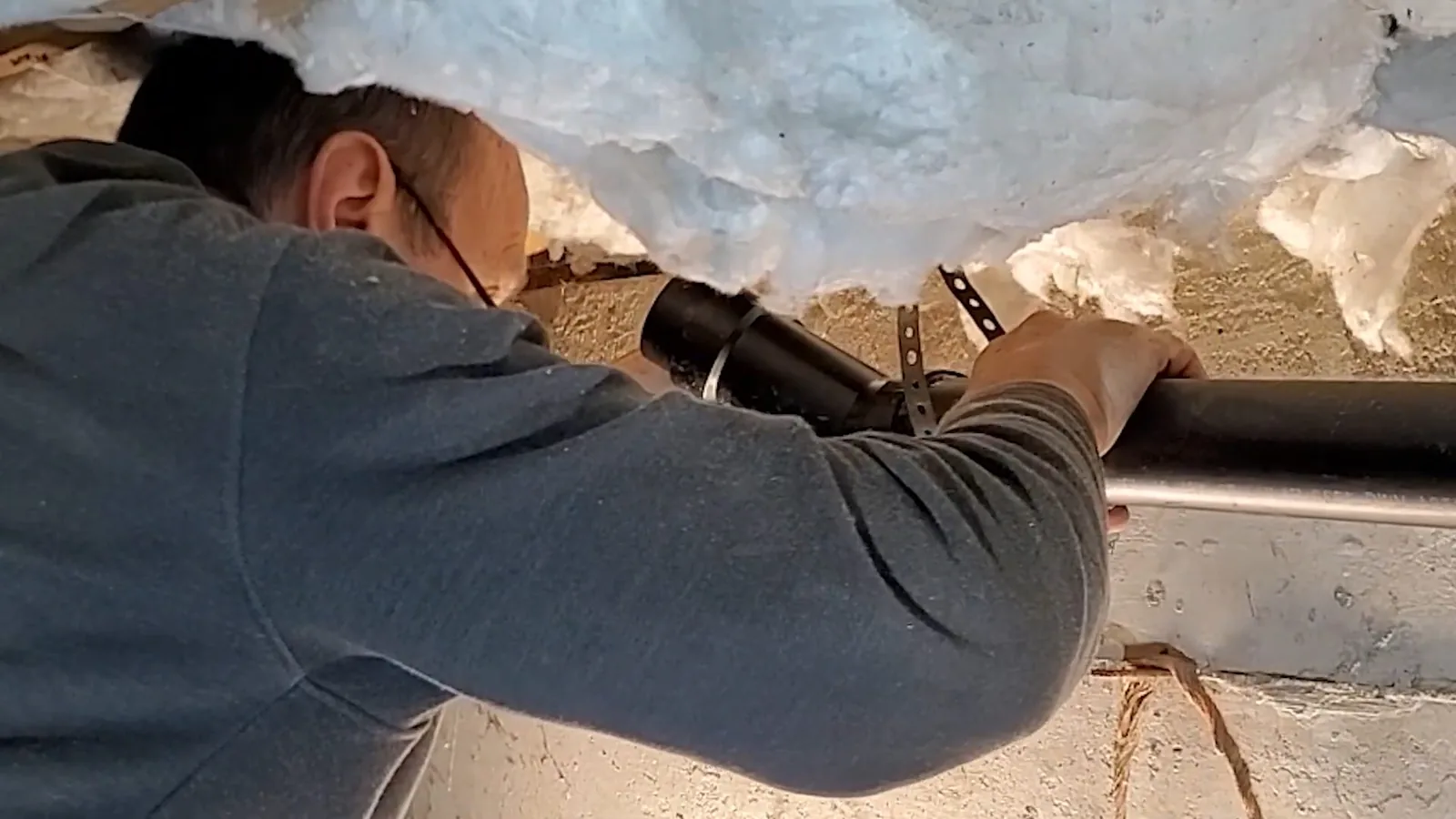
Of the nine towns we cover, Chino Hills has the most unusual supply arrangement, and it runs through Upland. The opening section explains it, and calling dispatch on (833) 571-0120 for whatever brought you here.
The one town on this list whose water runs through ours
Most of these area pages end up explaining which outside body supplies a town. Chino Hills inverts it. The City does nearly everything itself: operating the distribution system, owning and running wells, treating water, buying in supplies and publishing the annual results.
What it buys, though, arrives by an unexpected route. The City's own report says it purchases and imports treated surface water through the Water Facilities Authority in Upland and the Monte Vista Water District in Montclair, originating from the State Water Project.
Upland holds a stake in that Water Facilities Authority plant, a fact published on the Upland side of this site for entirely separate reasons. So a city nearly ten miles away receives part of its drinking water through a plant our own host city part owns. It changes nothing about anybody's pipework and it is worth knowing anyway.
Source: City of Chino Hills, Water Quality Report
Most Chino Hills wells are inactive: where to check water quality
The City reports that all but one of its own wells have been inactivated because of groundwater contamination. That is why the imported share matters so much here: the local groundwater that would ordinarily carry the load mostly is not carrying it.
The City publishes its annual water testing report, and that report is the place to answer whether the water is safe to drink. A plumber cannot answer that, so use the report for any drinking-water question.
The report we read covers 2024 and describes a treatment plant about 95 percent built, meant to return six City wells to service in autumn 2025. For what is running today, ask the City directly.
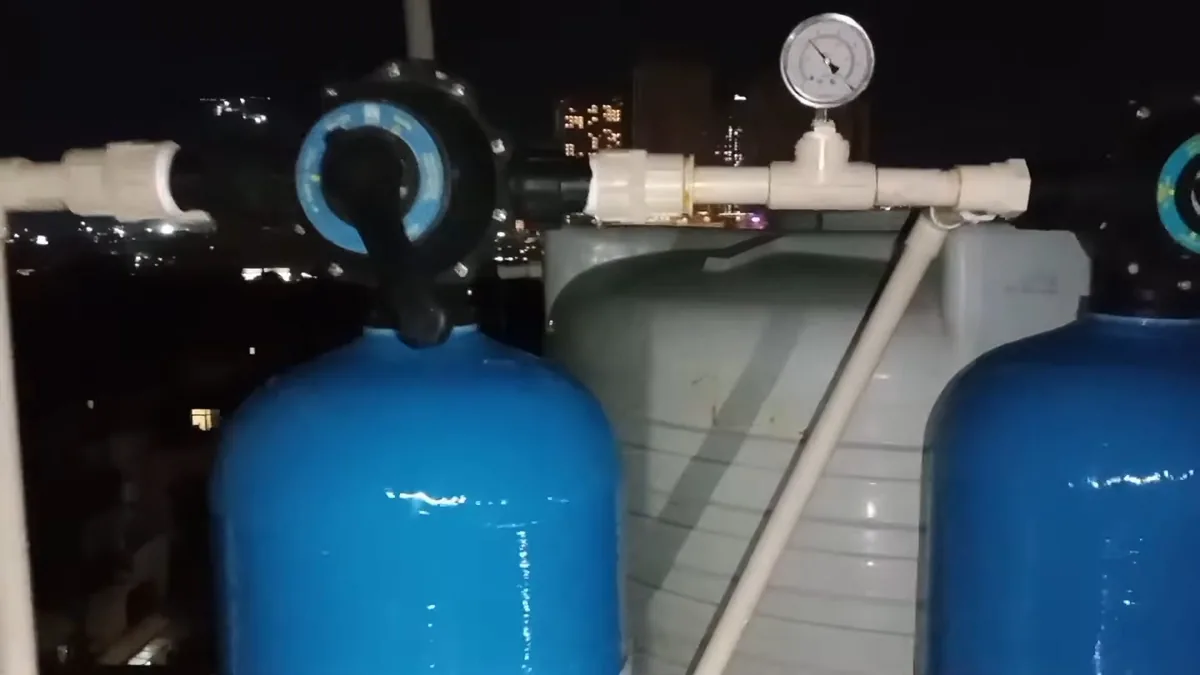
Where this town's water comes from, per the City
- Treated surface water imported through the authority in Upland
- Treated surface water imported through the district in Montclair
- Chino Basin Desalter Authority wells, located in Chino
- Monte Vista Water District wells, in Chino and in Montclair
- One remaining City-owned well, the rest inactivated
- Recycled water from the regional agency, for irrigation use
What none of that alters
- Where the City's duty ends and the property's begins
- The condition of the pipework inside your walls
- Which side of the connection a blockage sits on
- Anything at all about your waste and vent pipes
Supply arrangements aside, the question we need answered is the usual one: what is happening, since when, and does anyone else have it?
Call (833) 571-0120Regional wastewater, the same as every town east of the county line
On the waste side Chino Hills is conventional and shares its arrangement with our own city. It is named among the seven sewage collection agencies the Inland Empire Utilities Agency treats for, and it is also one of that agency's imported water wholesale customers through the Water Facilities Authority, which is the same body the import route above runs through.
Practically, the familiar division applies. Collection mains and manholes in the public right of way are the City's. The lateral from the building out to them is the property's, along with every fixture and branch upstream of it.
Root intrusion, grease and a dropped joint do not read the county boundary either. The way any of them gets confirmed is a camera down the line before a spade goes into the ground, which the sewer line repair guide sets out.
Nearly the same size as Upland, which makes the comparison fair
At around 78,300 residents against Upland's 79,000, Chino Hills is the only town on this list close enough in scale for a straight comparison, and the contrast is in the water rather than the plumbing.
Upland's supply is roughly four fifths local groundwater across twenty wells in three basins. Chino Hills has most of its own wells offline and leans on imported supply plus other agencies' wells. Same county, similar population, nine miles apart, and two quite different positions.
Neither arrangement changes what a plumber does on a Saturday morning. It does mean that assuming your water behaves like a neighbouring city's is a poor basis for buying equipment, which is the one practical conclusion worth drawing from any of it.
Commonly dispatched to Chino Hills
Being furthest out does not thin the list. These are the four that come up most; each page explains the job itself.
- Pipe split or sprayinganything running that will not stop
- Sewer line repaira lateral that keeps backing up
- Leak detectiona rising bill with nothing visibly wet
- Slab leak repaira warm patch underfoot, located before cutting
- All sixteen, indexeda symptom table, then the pages
Imported supply, wells offline, and what is actually yours
Who supplies water in Chino Hills?
The City, and it does more of the work than most. Its own report describes the City operating the distribution system, owning and operating wells, treating water, purchasing supplies and publishing the annual testing results. So distribution, pumping, treatment and billing all sit with one municipal body.
Why does its imported water come through Upland?
Because that is where the treatment capacity is. The City's report states that it purchases and imports treated surface water by way of the Water Facilities Authority in Upland and the Monte Vista Water District in Montclair, with the supply originating from the State Water Project. Upland holds a stake in that Water Facilities Authority plant, which is a direct link between the two towns that almost nobody in either would guess.
The City says most of its own wells are inactive. Should I be worried?
It is a supply question rather than a safety one, and the distinction matters. The City reports that all but one of its own wells have been inactivated because of groundwater contamination, which is why so much of the supply is imported and drawn through other agencies' wells instead. What arrives at your tap is tested and the results are published annually by the City, so the position is on the record rather than hidden. Nothing on this page is a claim about whether your water is safe to drink, which is the City's report to make and not a plumber's.
Is the new groundwater treatment plant running yet?
We cannot tell you, and would rather say so. The City report we worked from covers 2024. It describes a groundwater treatment plant begun in January 2023, about 95 percent complete at that point, intended to allow six City-owned wells to be brought back into service, with an expectation of operating in autumn 2025. That date has since passed and a report covering 2024 cannot speak to today, so ask the City for the current position rather than taking a status from us.
Permits: Chino Hills or Upland?
Chino Hills, every time. The permit requirements published on this site are Upland's, and they govern Upland properties. A water heater changeout, a repipe, or work on a water or sewer line in Chino Hills answers to Chino Hills. Its counter details are not on this site because we did not verify them, and inventing them would be worse than leaving the gap.
Book a Chino Hills visit
Say what is happening and roughly where in Chino Hills you are, then ring dispatch on (833) 571-0120. You get a straight read on urgency and a written price before any work begins.