
Service area · eight wells and a regional plant
Emergency Plumber in La Verne, CA: Repairs, Heaters and Drains on Blended City Water
La Verne is a 6.8 mile drive west of Upland, across the county line, and with roughly 32,700 residents it is the smallest town on the Tier 1 list. Small does not mean simple: its water arrangement has three moving parts.
The City operates the production and distribution. It purchases the supply wholesale. And it pumps a share of its own from underneath the town. A separate City division looks after the sewers.
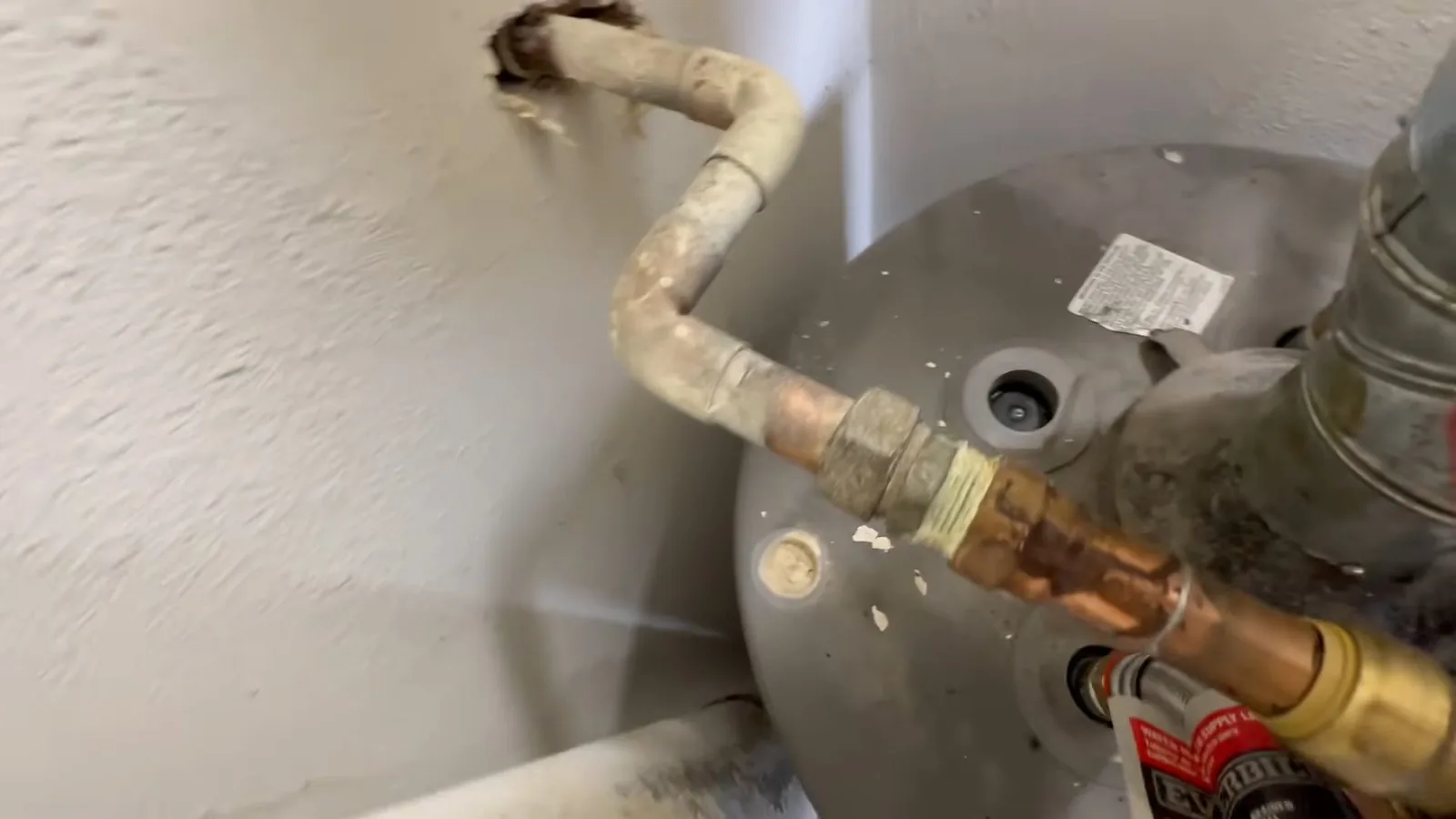
La Verne buys its water wholesale but runs its own wells and its own pipes, which is a combination worth understanding before you decide a problem is somebody else's. calling dispatch on (833) 571-0120 when you know where the trouble sits.
Operating the system without owning the water
La Verne's arrangement separates two things that often travel together. The City's Water and Utility Division operates and maintains the production and distribution facilities, meaning the wells, the booster stations, the reservoirs and the mains. The water flowing through them, though, is bought: the City purchases its supply from Three Valleys Municipal Water District.
For a homeowner that distinction almost never matters, and when it does it matters a lot. A pressure problem, a main break, a meter dispute, all of that is the City's because the City runs the infrastructure. A question about where the supply originates is a wholesaler question.
The line governing our work is unaffected by any of it. The City's responsibility stops where your service connection begins, and from that point inward the pipe belongs to the property.
Source: City of La Verne, Water and Sewer Maintenance
La Verne's eight wells in the Pomona and Live Oak basins
The City runs eight municipal wells drawing on two basins, Pomona and Live Oak. Neither is the Chino or Cucamonga system that supplies Upland, so despite being seven miles apart the two towns are pumping from different ground.
What happens next is the bit worth knowing. The City says water from those wells goes into booster stations and is blended there with imported water. The blend is not fixed, which means the mineral content arriving at a given address is not fixed either, and neither is the rate at which it leaves deposits behind.
That is why this page refuses to quote you a hardness number. Two of the neighbouring towns publish theirs and both sit well above Upland's, but they are different systems on different wells. For La Verne the honest answer is to measure at the property, then read the softener guidance with your own figure in hand.
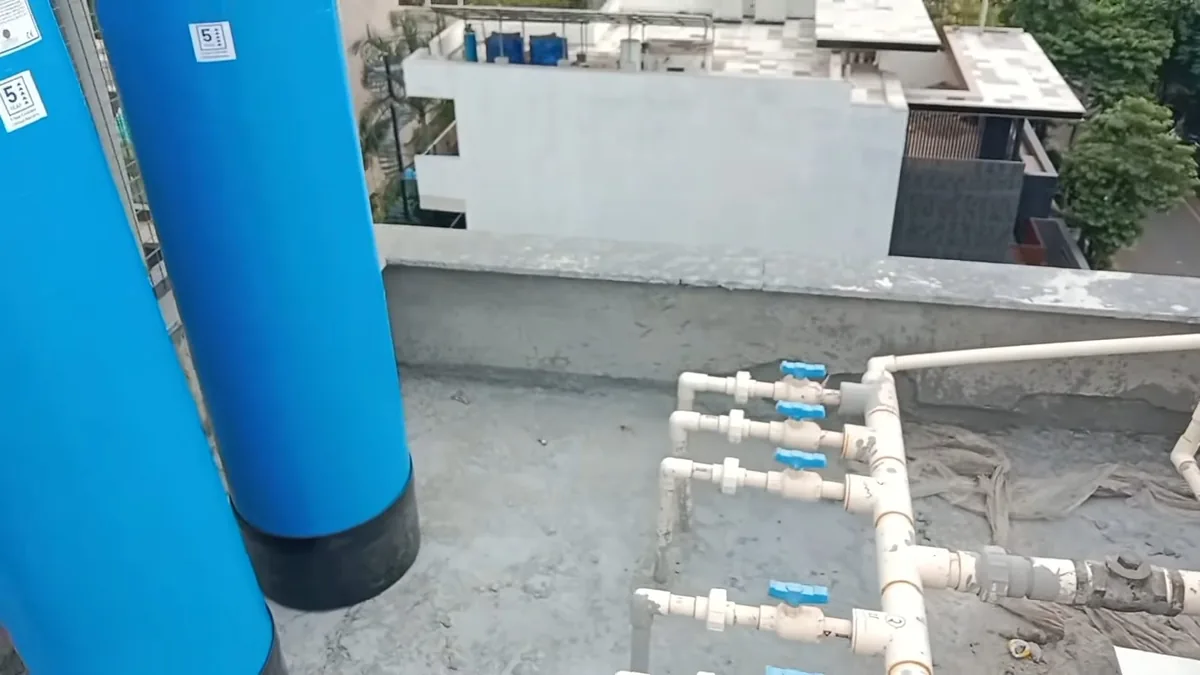
A regional plant inside a small town
One quirk worth a line, sourced from Pomona's own supply description rather than La Verne's: the Metropolitan Water District treats its imported supply at the Weymouth plant, and that plant is in La Verne. A town of 32,700 hosts treatment capacity serving a far wider area, which is why you will see regional water traffic on local roads that the population alone would not explain.
The City's side of the line
- The eight wells, the booster stations and the reservoirs
- Water mains in the public right of way
- The meter and what it reads
- General maintenance and cleaning of the public sewer system
The property's side, which is our work
- The service line running in from the connection
- Every fixture, heater and run of pipe inside the building
- The lateral out to the public sewer
- Any stoppage that stops at your boundary and troubles nobody else
Say whether the trouble is on the supply side or the waste side when you ring. They are different divisions at the City and different work for us.
Call (833) 571-0120A smaller town, and what that does to scheduling rather than to price
Of the nine towns on this list La Verne has the fewest residents, and it would be easy to dress that up as a promise about speed. It is not one. Fewer houses means fewer simultaneous calls on an average day, which helps the routing and guarantees nothing on any particular day.
What is fixed regardless of town size is the method: you describe the symptom, you get an honest view of whether it can wait, and the figure is agreed in writing before work starts. Price follows access and pipe condition, never the postcode or the population.
Anything actively running is a different conversation and belongs with burst pipe response rather than a scheduled slot.
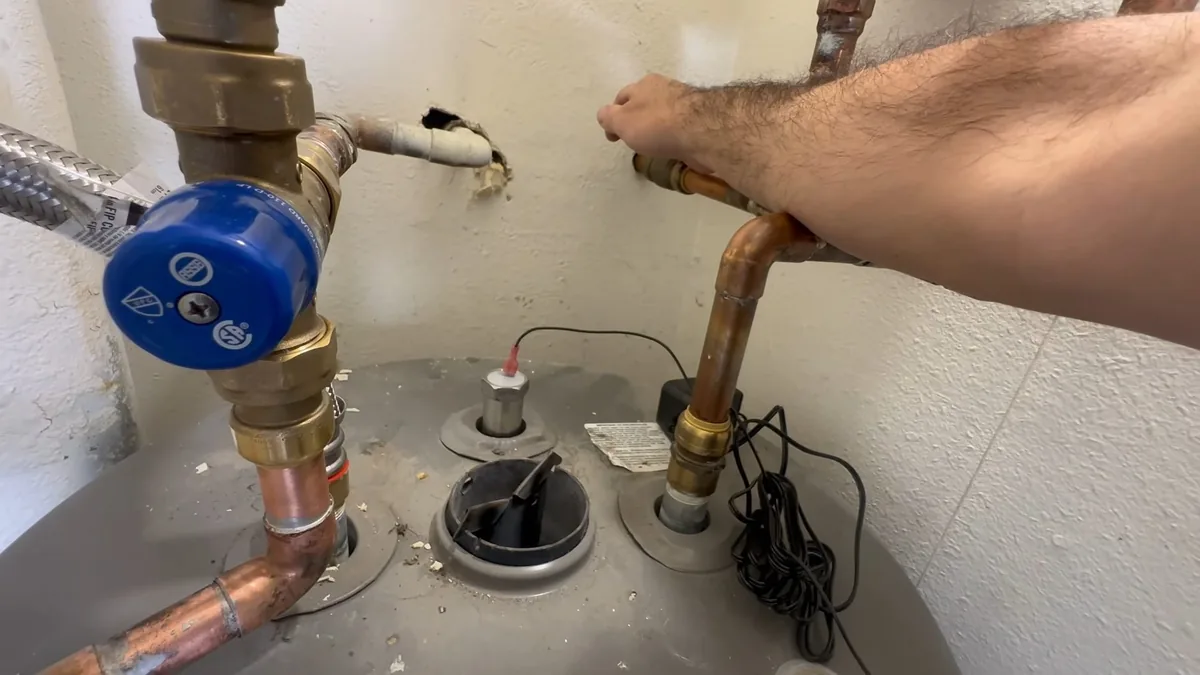
Typical La Verne work
Nothing is held back from a smaller town. The four below are simply the common ones; follow any link for how the work is actually done.
- Water heater repairsediment, noise, and the repair or replace call
- Drain cleaninga branch line that has stopped running freely
- Toilet repaira tank refilling on its own, and the dye test for it
- Burst and broken pipe repaira pipe that failed under mains pressure
- The sixteen serviceswith a symptom router at the top
Buying wholesale, pumping locally, and who owns which pipe
Who supplies La Verne's water?
Both the City and a wholesaler, which is the part people find confusing. The City's Water and Utility Division is responsible for operating and maintaining its water production and distribution facilities, so the pipes and the pumping are the City's work. But the supply itself is purchased: La Verne buys its water from Three Valleys Municipal Water District.
So where does it physically come from?
Two places, mixed. The City has eight municipal wells pumping from two groundwater basins, Pomona and Live Oak. Its own description is that water from those wells is pumped into booster stations where it is blended with imported water. So what reaches a tap in La Verne is a blend whose proportions vary rather than a single source.
Does a blended supply change anything for my plumbing?
It changes how much you can rely on a single number. Mineral content, and therefore the rate at which a heater silts up or a cartridge stiffens, depends on the blend reaching your part of town on the day. No published hardness figure for La Verne surfaced from a primary source, so this page gives none, and it will not lend you Claremont's or San Dimas's. A test at the property is the only figure that describes your water.
Who deals with a sewer problem here?
The City, through a separate division from the water side: its Sewer Division's remit is the general maintenance and cleaning of the sewer system. That covers the public system. The lateral running from your building out to it is the property's, and so is every blockage that stops at your boundary, which is the work we are called for.
Do I need a La Verne permit or an Upland one?
La Verne's, and only La Verne's. Everything this site sets out about permits describes Upland's requirements for Upland properties, and La Verne is another city in another county. Replacing a water heater, repiping, or opening up a water or sewer line there means working to La Verne's rules. We have not checked what its counter asks for, so we are not going to describe it.
Arrange La Verne work this week
Say what is happening and roughly where in La Verne you are, then ring dispatch on (833) 571-0120. You get a straight read on urgency and a written price before any work begins.